

 See My Latest Article on HelloNation
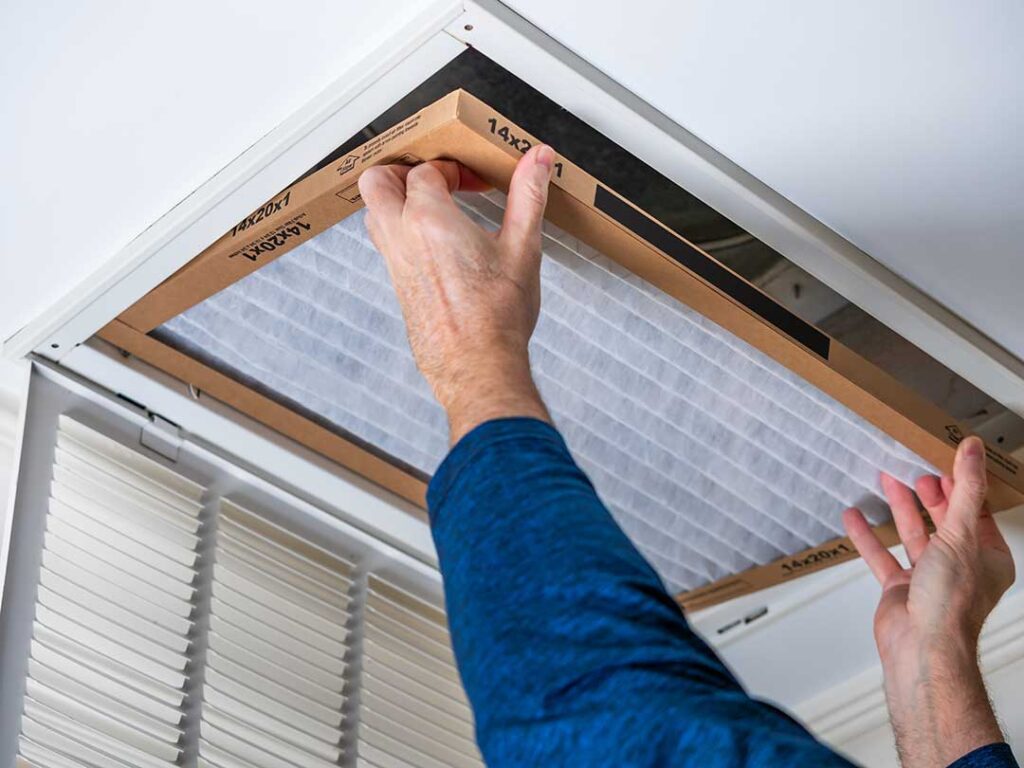
Dust is a normal part of indoor life, but an HVAC system can either help control it or spread it through the house. In Lexington, SC, warm weather, pollen, open windows, outdoor activity, and frequent heating or cooling cycles can all increase the amount of material entering and circulating indoors.
A cleaner indoor environment usually depends on several basics working together: the right air filter, good airflow, regular cleaning, controlled humidity, and reduced dust entry from outside.
Can an HVAC system really reduce household dust?
Yes. A central HVAC system can capture some airborne particles as return air passes through the filter. It can also reduce dust buildup by keeping air moving through a controlled path instead of allowing particles to settle randomly throughout the home.
However, the system does not remove every particle. Larger dust often settles on floors and furniture before it reaches a return grille. Very small particles may pass through a basic filter or enter through doors, windows, duct leaks, or gaps around the home.
Dust control works best when the HVAC system is treated as one part of a broader indoor-air routine.
Does changing the air filter reduce dust?
Replacing a dirty air filter is one of the simplest steps for improving dust control. A clogged filter restricts airflow, reduces the amount of air passing through the filtration material, and can cause the system to operate less efficiently.
Check the filter every month, especially during periods of heavy heating or cooling. Replacement timing depends on the filter type, household size, pets, construction activity, and indoor dust levels.
A filter may need more frequent attention if:
- The home has pets or multiple occupants.
- Doors and windows are opened often.
- Remodeling, sanding, or other dusty work is underway.
- The filter looks gray, clogged, or visibly coated with debris.
- Airflow from the supply vents seems weaker than usual.
Use the filter size and type specified for the equipment. Installing a filter that is too restrictive for the system can create airflow problems. A higher efficiency rating is not automatically better if the HVAC equipment is not designed to handle it.
What filter rating is appropriate for a home?
Many homes use filters in the middle range of particle filtration, but the correct choice depends on the equipment and filter cabinet. The rating printed on the filter describes how effectively it captures certain particle sizes under standardized conditions. It does not measure every aspect of indoor air quality.
A filter should fit securely without bending, collapsing, or leaving gaps around the edges. Air that slips around the filter instead of passing through it can carry dust directly into the blower and ductwork.
If a thicker or more restrictive filter is being considered, verify that the system can maintain adequate airflow. Warning signs of excessive restriction can include unusual system noise, weak supply airflow, longer run times, or difficulty maintaining the thermostat setting.
How often should HVAC vents and returns be cleaned?
Supply vents and return grilles should be cleaned when visible dust accumulates, rather than according to a rigid calendar. Vacuuming the grille surface and wiping it with a slightly damp cloth can remove dust without sending it back into the room.
Return grilles deserve particular attention because they pull air into the system. Dust around a return can be drawn into the filter area and may indicate that the grille, filter, or surrounding seal needs attention.
Before cleaning a grille, turn off the system if loose debris could be pulled into the opening. Do not spray liquid into the duct opening, electrical components, or the interior of the HVAC equipment.
Dust on a vent cover does not necessarily mean the entire duct system is dirty. It may simply reflect normal household dust, static electricity, or air movement near the grille.
Can leaky ducts increase dust?
Yes. Leaky return ducts can draw dusty air from attics, crawl spaces, wall cavities, garages, or other unconditioned areas. Leaky supply ducts can release conditioned air before it reaches the room, increasing pressure differences that may pull air through cracks elsewhere in the home.
Homes with accessible attic or crawl-space ductwork may be more vulnerable to this problem. In warm, humid weather, unconditioned spaces can also introduce moisture that encourages musty odors or microbial growth when conditions remain damp.
Possible clues include:
- Dust returning soon after cleaning.
- Uneven temperatures between rooms.
- Dust buildup around duct connections.
- Persistent musty smells when the system operates.
- Higher-than-expected indoor humidity.
- A filter that becomes unusually dirty in a short period.
Duct sealing is not the same as routine duct cleaning. Sealing addresses unwanted air movement, while cleaning removes accumulated material from interior surfaces. The appropriate solution depends on where the dust is coming from.
Does cleaning air ducts eliminate dust?
Duct cleaning may help when ducts contain substantial visible debris, construction residue, pest material, or other contaminants that are being released into living spaces. It is less likely to solve ordinary household dust by itself.
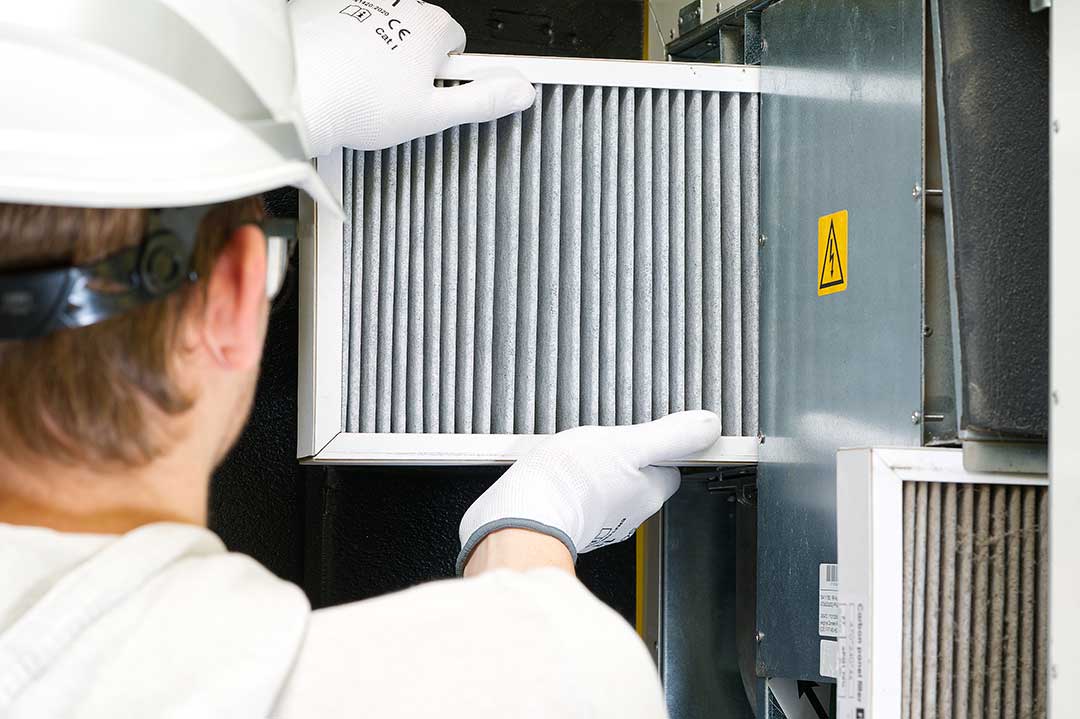
Dust commonly comes from fabrics, flooring, bedding, paper, skin flakes, outdoor soil, and pollen. If those sources remain, cleaned ducts can become dusty again.
Be cautious about claims that duct cleaning automatically improves every indoor-air problem. The condition of the ductwork, the type of contamination, and whether particles are actually entering the occupied space all matter.
How does humidity affect dust?
Humidity changes how particles behave and how comfortable the home feels. Very dry air can allow lightweight dust to remain suspended longer and may increase static electricity, which attracts dust to surfaces. Excess humidity can contribute to musty odors, condensation, and conditions favorable to mold growth.
During hot, humid weather, a properly operating air conditioner removes some moisture as it cools the air. Short cycling, oversized equipment, poor airflow, or excessive moisture entering the home can limit that benefit.
A basic indoor humidity monitor can help identify patterns. If rooms feel damp, odors persist, or condensation appears on cold surfaces, the issue may involve moisture control rather than dust alone.
What household habits help the HVAC system control dust?
The HVAC system performs better when less dust enters the home and less material is disturbed indoors.
Useful habits include:
- Vacuuming with equipment that captures fine particles.
- Damp-mopping hard floors instead of dry sweeping.
- Washing bedding and washable fabric items regularly.
- Using doormats and removing shoes near entrances.
- Keeping return grilles clear of furniture, curtains, and rugs.
- Grooming pets outdoors when practical.
- Keeping windows closed during heavy pollen or dusty outdoor conditions.
- Sealing gaps around doors and frequently used entry points.
- Completing dusty home projects with the HVAC system off and the work area isolated.
Furniture, rugs, ceiling fans, and fabric window coverings can hold substantial dust. Cleaning those surfaces regularly reduces the amount that eventually becomes airborne.
When does dust suggest an HVAC problem?
Dust alone is not proof of an equipment failure. A small amount on vents or furniture is expected in most homes. The pattern matters more than the presence of dust.
Persistent or unusually heavy dust may deserve further investigation when it appears alongside weak airflow, unexplained odors, high humidity, uneven temperatures, or a filter that loads quickly. In those cases, the cause could involve duct leakage, poor filtration fit, inadequate ventilation, moisture, or equipment airflow.
Any situation involving electrical damage, refrigerant concerns, mold-like growth, pests inside ductwork, or unsafe access areas should be handled with appropriate safety precautions rather than improvised cleaning.
A practical dust-reduction plan is usually straightforward: inspect the filter monthly, maintain clear returns, clean grilles and nearby surfaces, control indoor moisture, and reduce the amount of outdoor material entering the home. These steps help the HVAC system filter the air it was designed to handle and make dust easier to manage throughout the year.