

 See My Latest Article on HelloNation
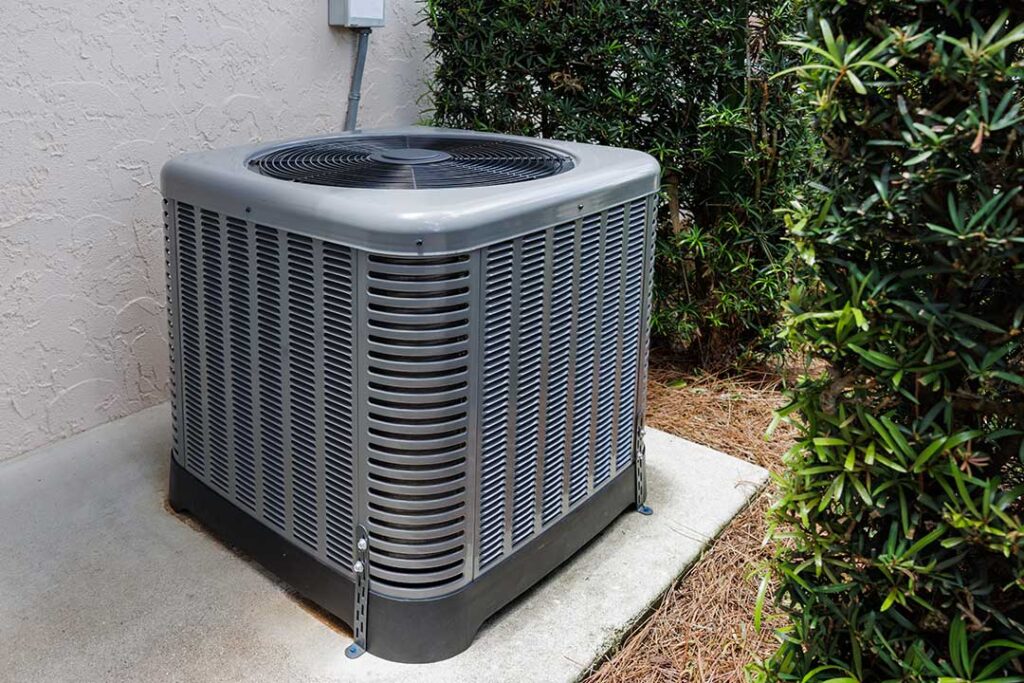
Central air and ductless mini-splits can both cool a home effectively, but they distribute conditioned air in very different ways. Central air uses a network of ducts connected to one indoor air handler, while a ductless system sends refrigerant directly to indoor units installed in individual rooms or zones.
For households in Lexington, SC, the better choice depends less on which system is universally “best” and more on the home’s layout, existing infrastructure, comfort preferences, and plans for future renovations.
How does central air conditioning work?
Central air cools the home through a single outdoor condenser, an indoor evaporator coil, and a blower that moves air through ductwork. A thermostat signals the system to cool, and the blower distributes conditioned air through supply registers throughout the house.
The same duct system may also distribute heated air if the home uses a furnace or a ducted heat pump. This makes central air a practical whole-house solution for homes already designed around forced-air heating and cooling.
A typical central system includes:
- An outdoor condenser that releases heat outside
- An indoor coil that removes heat and moisture from the air
- A blower or air handler
- Supply and return ducts
- A thermostat and control system
Because the air passes through a central filter, central systems can also support whole-house air filtration. However, the quality of that filtration depends on the filter, the system’s design, and how consistently the filter is changed.
How does a ductless mini-split work?
A ductless mini-split uses an outdoor unit connected by refrigerant lines to one or more indoor air-handling units. Each indoor unit serves a particular room or zone and typically has its own temperature control.
The indoor units are commonly mounted high on a wall, although ceiling-cassette and concealed options are also available. A single outdoor unit may serve several indoor units, creating a multi-zone system.
Unlike central air, a ductless system does not require large supply and return ducts. That makes it useful for:
- Older homes that were built without ductwork
- Room additions and converted garages
- Finished attic areas
- Guest rooms above garages
- Spaces that are difficult to connect to existing ductwork
- Homes where different rooms need different temperatures
Many ductless mini-splits are heat pumps, meaning they can provide both cooling and heating. That can be useful during the mild-to-moderate winter conditions common in the region, although system performance depends on the equipment’s design and outdoor temperature.
Which system provides more even comfort?
Central air generally provides more uniform whole-house distribution when the ductwork is correctly sized, sealed, insulated, and balanced. Air is delivered through multiple registers, so no single indoor unit has to serve an entire floor.
Ductless systems provide more localized control. A bedroom can be cooler than a rarely used guest room, or a sunny upstairs space can receive more cooling than a shaded first-floor room. This zoning can improve comfort and reduce the need to condition unoccupied areas.
The tradeoff is that ductless systems may not distribute air evenly through closed rooms or distant spaces. A wall-mounted indoor unit does not automatically cool every room on the same floor. Doors, insulation, ceiling height, window exposure, and the placement of each indoor unit all affect results.
Which system is more energy efficient?
Either system can be efficient, but the reasons differ.
Central air can perform well when the ductwork is located inside conditioned space and has few leaks. Duct losses become more significant when ducts run through hot attics, crawl spaces, or other areas exposed to extreme temperatures. Poorly sealed ducts may also make some rooms harder to cool.
Ductless systems avoid most distribution losses because conditioned air is produced in the room or zone where it is needed. Many mini-splits also use variable-speed compressors that adjust output instead of repeatedly switching fully on and off.
That does not mean every ductless system will use less energy in every home. A mini-split may run inefficiently if it is oversized, poorly located, used to cool rooms with open doors throughout the house, or operated with neglected filters. Central air may be the more practical choice when the home already has an efficient, well-designed duct system.
What are the installation differences?
Installing central air in a home with existing ductwork may be relatively straightforward, especially when the duct system is in good condition and the indoor equipment has adequate space.
Adding central air to a home without ducts can be much more disruptive. Ducts require space above ceilings, below floors, in walls, or in framed chases. Installation may involve soffits, access openings, drywall repairs, or changes to closets and utility areas.
Ductless installation usually requires smaller wall or ceiling penetrations for refrigerant lines, wiring, and condensate drainage. It can reduce the need for major interior remodeling, but the visible indoor units and line-set covers may affect the appearance of rooms.
Correct sizing remains essential for both systems. An oversized air conditioner may cool the air quickly without removing enough humidity, while an undersized system may run for long periods and struggle during the hottest weather.
How do maintenance needs compare?
Both systems need routine maintenance, but the tasks are not identical.
Central air maintenance commonly includes:
- Replacing or cleaning the central filter
- Keeping outdoor coils clear of leaves and debris
- Inspecting condensate drainage
- Checking ductwork for leakage or insulation problems
- Cleaning supply and return grilles
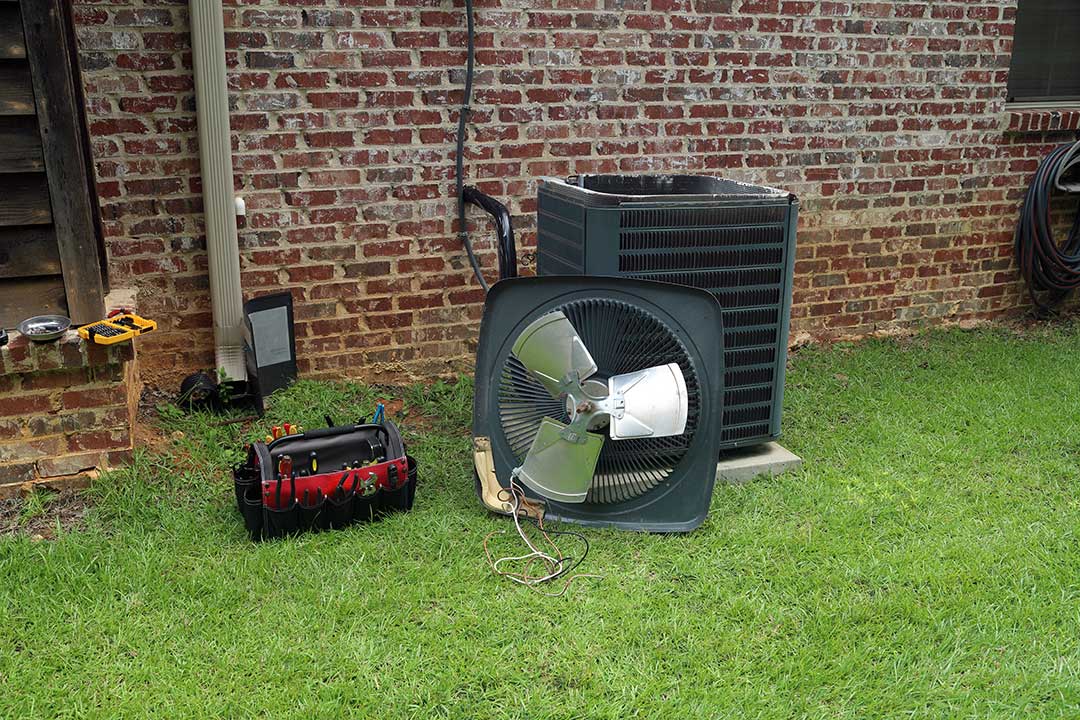
Ductless maintenance commonly includes:
- Cleaning the washable filters in each indoor unit
- Keeping indoor coils and air outlets free of dust
- Checking condensate drains
- Maintaining the outdoor coil
- Cleaning multiple indoor units when the system has several zones
Mini-splits can require more frequent attention from the homeowner because every indoor head has its own filter and air outlet. Central air has one primary indoor air handler, but its ductwork and return system can conceal problems that affect comfort and efficiency.
Is central air or a mini-split better for humidity?
Both can remove humidity during cooling, but performance depends heavily on sizing, runtime, airflow, and equipment controls.
Central air may provide more consistent whole-house dehumidification when the system is properly sized and the air circulates through the home regularly. A system that is too large may satisfy the thermostat quickly and shut off before removing enough moisture.
Ductless heat pumps can also dehumidify effectively, particularly when they operate at lower output for longer periods. However, humidity control may vary from room to room because each zone responds to its own conditions.
During Lexington’s hot, humid cooling season, indoor comfort depends on more than the thermostat temperature. Air sealing, attic insulation, exhaust-fan use, and control of outdoor air leaks also influence humidity.
Which option makes more sense for a Lexington home?
Central air is often a logical fit when:
- The home already has usable ductwork
- Whole-house temperature consistency is the priority
- The household prefers discreet ceiling or floor registers
- A central filter and single thermostat are desirable
- Heating and cooling will use the same air-distribution system
A ductless mini-split may be a better fit when:
- The home lacks ductwork
- Certain rooms are consistently too hot or too cold
- A new addition needs independent heating and cooling
- Household members prefer different temperatures
- Extending ducts would require major remodeling
- Only selected zones need regular conditioning
Some homes use both. A central system may serve the main living areas while a ductless unit handles an addition, upstairs room, or space with persistent comfort problems.
The most useful comparison is not simply central air versus mini-split. It is the entire comfort system: equipment size, duct condition, insulation, air leakage, room layout, humidity control, and how the household actually uses each space.