

 See My Latest Article on HelloNation
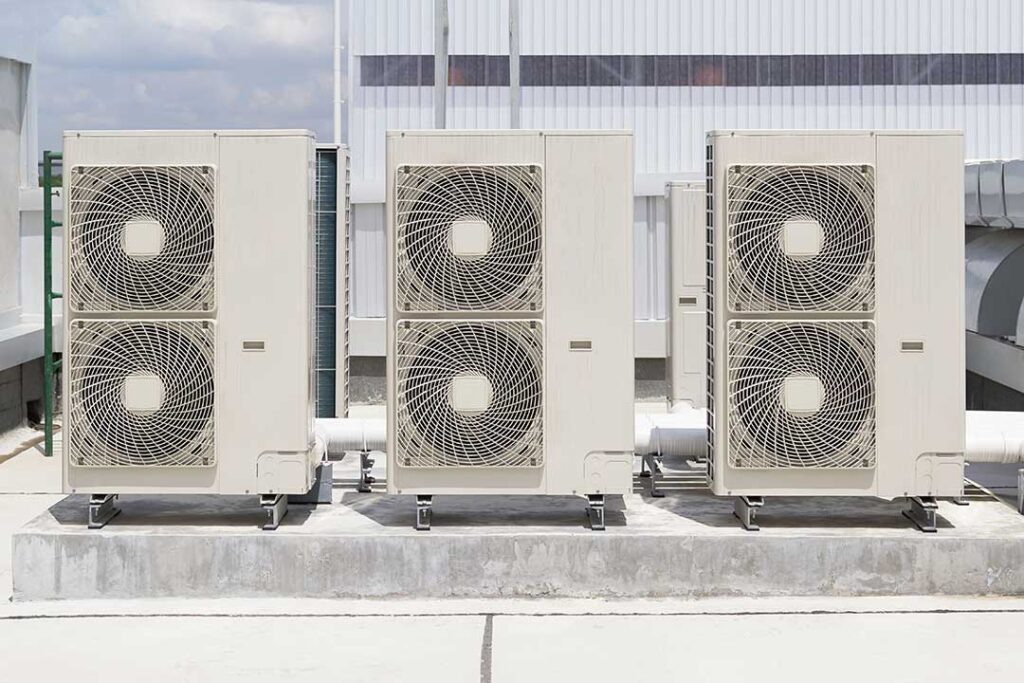
When it comes to comfort and energy savings in your home, choosing the right size HVAC system is every bit as important as selecting the right model or brand. For residents of Lexington, South Carolina, where long, humid summers and mild winters are the norm, getting HVAC sizing right can mean the difference between efficient comfort and higher utility bills—not to mention the impact on indoor air quality and system longevity.
If you’ve ever wondered, “What size HVAC do I really need for my home?” you’re far from alone. Below, we’ll walk you through key factors and pro tips for making an informed decision, with a focus on local lifestyle and climate here in Lexington.
Why HVAC Size Matters (Especially in Lexington’s Climate)
Before diving into specifics, let’s talk about why size is so critical:
- Efficiency: An oversized unit cools or heats too quickly, causing frequent cycling that wastes energy and stresses components. An undersized system runs endlessly without ever quite catching up on the hottest or coldest days.
- Comfort: Proper sizing ensures balanced temperature and humidity throughout your home—essential for comfort in humid Lexington summers.
- Air Quality: Right sizing helps control humidity and keeps indoor air fresher, which is important for allergy and asthma sufferers.
- System Lifespan: Correct sizing reduces wear and tear, resulting in fewer breakdowns and a longer HVAC lifespan.
Factors That Determine the Right HVAC Size
Every home in Lexington is unique, but some factors are universal. Here’s what you and your HVAC professional should consider:
- Square Footage: The total area to be heated or cooled is foundational when calculating size.
- Ceiling Height: Higher ceilings mean more air volume to condition.
- Insulation Quality: Well-insulated homes retain temperature better, needing less capacity.
- Number and Type of Windows: More or larger windows can add to cooling needs, especially those facing the sun.
- Home Orientation: North, south, east, or west-facing homes face different heat gain.
- Local Climate: Lexington’s humid subtropical weather means both humidity control and cooling capacity are vital.
- Lifestyle and Occupancy Patterns: Large families or frequent entertaining mean more heat and humidity generated indoors.
Understanding HVAC Sizing Basics
HVAC sizing is typically measured in “tons” for cooling, with one ton equaling 12,000 BTUs per hour. Heating systems are rated by BTUs. Some Lexington homeowners assume “bigger is better.” In fact, too much capacity can be just as problematic as too little.
For most homes, you might start with rough rules of thumb: one ton of AC for every 500–600 square feet. But this is a very broad estimate that doesn’t account for all those local and home-specific factors mentioned above.
The Role of a Manual J Load Calculation
The industry standard for accurate sizing is a Manual J load calculation. This method, performed by an HVAC professional, factors in:
- Square footage and ceiling height
- Insulation levels in walls and attic
- Number and orientation of windows and doors
- Air leakage/infiltration rates
- Occupant habits
- Lexington-specific climate data
Skipping this step can lead to an improperly sized unit, so insist on a Manual J calculation—not just a square footage estimate—before replacing or upgrading your HVAC.
The Impact of Lexington’s Lifestyle and Weather
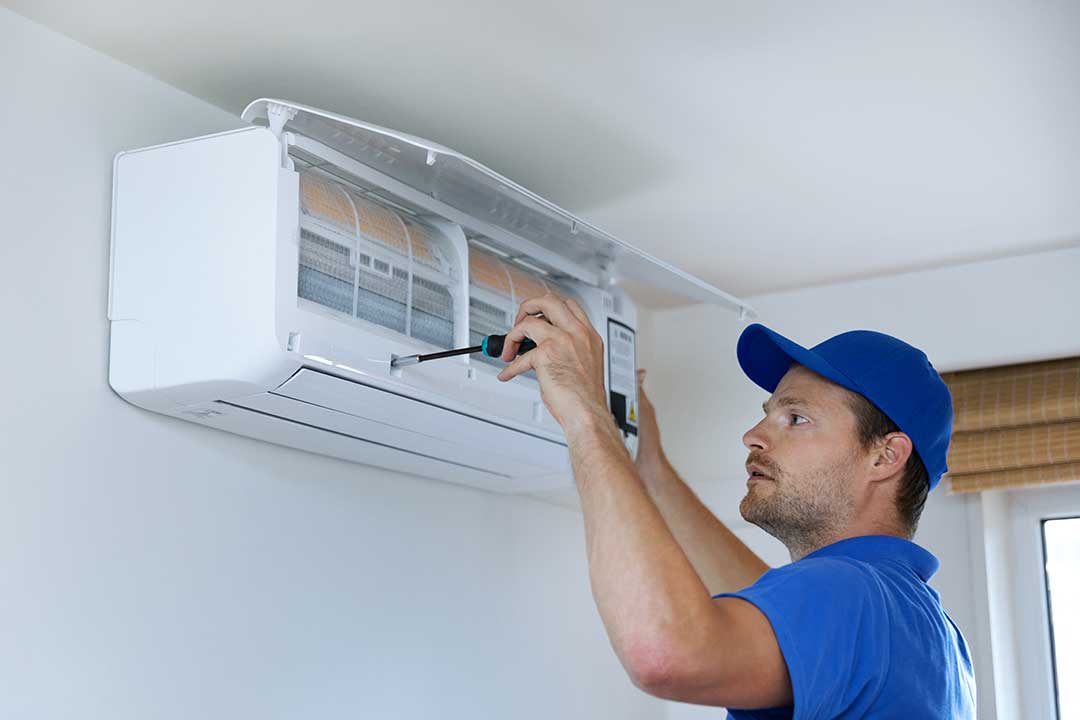
In Lexington, summers regularly climb into the high 80s and 90s, with humidity that can make your home feel sticky and uncomfortable. Many residents spend more time indoors during heat waves, putting extra demand on air conditioning systems. Open floor plans, common in newer Lexington homes, can also affect airflow and load requirements.
If you love summer barbecues and have an active family or host gatherings, your cooling needs might be higher than average. Likewise, running dehumidifiers or other large appliances regularly can impact the ideal HVAC size.
Risks of Improper HVAC Sizing
- Oversized System: Cools or heats too quickly, resulting in short cycles, uneven temperatures, and poor humidity control. Can cause mold or mildew in our humid region.
- Undersized System: Never catches up on hot Lexington afternoons, running continuously and driving up energy bills. Rooms farthest from the unit may remain uncomfortable.
- Wasted Money: Both extremes lead to higher operating and maintenance costs in the long run.
Tips for Homeowners in Lexington, SC
- Get a Pro Assessment: Always have a professional perform a load calculation.
- Don’t Rely on Old Assumptions: Just because your old unit was a certain size doesn’t mean it was the right size—especially if your home has been remodeled or insulated since then.
- Prepare for Humidity: Make sure your system’s size considers not only temperature but also the need for dehumidification, crucial to comfort in our region.
- Ask About Advanced Features: Modern HVAC systems offer variable speed and zoning, which can further improve comfort and efficiency, even if basic sizing seems the same.
Frequently Asked Questions in Lexington
How do I know if my current HVAC is too big or too small?
Look for signs like frequent cycling, large temperature swings, humidity problems, or energy bills that seem high for your home’s size.
Is bigger always better for AC in Lexington’s heat?
No. Bigger systems tend to cycle on and off, never removing enough humidity. This can make your home feel cool but clammy.
How often should HVAC size be reassessed?
Whenever you remodel, change insulation, replace windows, or notice persistent comfort issues.
Final Thoughts: Comfort Is Worth the Effort
Choosing the right size HVAC might seem technical, but it brings long-term payoffs—lower bills, greater comfort, better indoor air, and fewer HVAC headaches. In Lexington, where hot, muggy summers put systems to the test, getting it right is all the more important.
Take time to work with a qualified professional who understands local climate needs and uses proper calculation methods. Your family and your wallet will thank you!