

 See My Latest Article on HelloNation
Can Your HVAC System Affect Allergies?
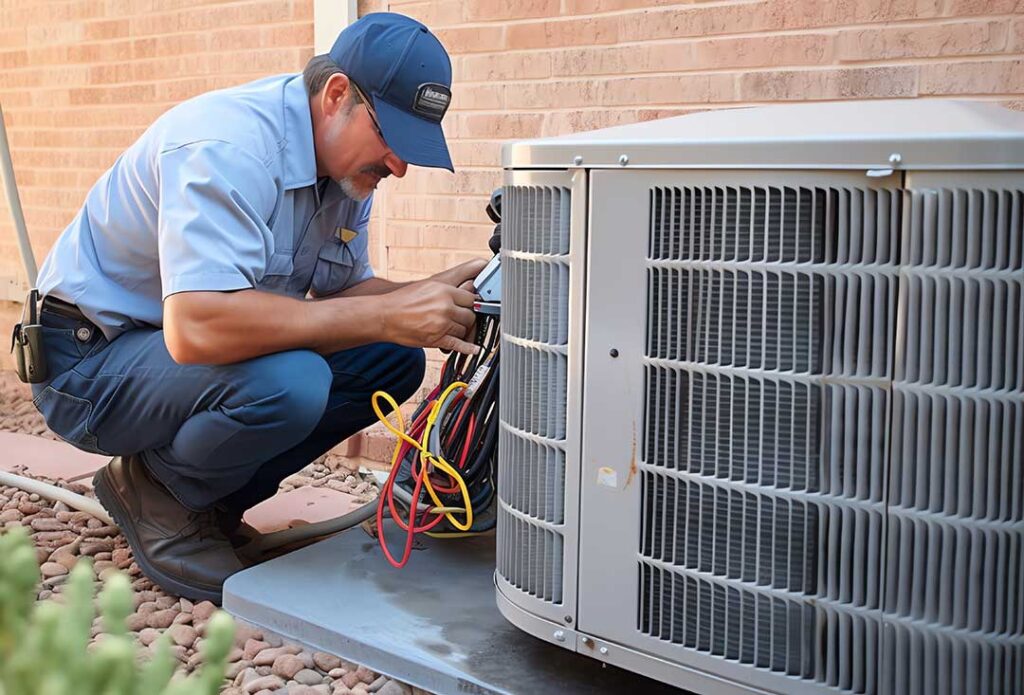
Yes, your home's heating and cooling system can play a major role in allergy symptoms for many households in Lexington, SC. HVAC systems do more than just control temperature—they circulate air, which can spread allergens or help remove them, depending on how the system is maintained and operated.
Local pollen levels, humidity, and the mix of older and newer homes across the community make allergen management through HVAC especially relevant here. How filters are chosen, ducts are cleaned, and air is circulated all shape how allergy-friendly your indoor environment will be.
Which HVAC-Related Allergens Are Common in Lexington?
Most local residents are familiar with the seasonal pollen surges, but plenty of other allergens can circulate indoors:
- Pollen from local trees, grasses, and weeds—especially during spring and fall
- Dust mites, which thrive in South Carolina’s humidity
- Mold spores, often growing in HVAC components if moisture is present
- Pet dander for homes with animals
- Outdoor pollutants entering through open doors and windows, later circulated by the HVAC
While each home is different, these are the main allergen types that HVAC systems in the region frequently encounter.
How Do Filters Impact Allergy Symptoms?
Using the right HVAC filter is one of the most effective ways to limit airborne allergens indoors. Some key points area households should know:
- Standard fiberglass filters mainly protect the HVAC equipment—not indoor air quality. They capture large dust particles but allow most allergens through.
- Pleated filters with a higher MERV rating (above 8) catch more pollen, dust, pet dander, and some mold spores.
- “HEPA” filters, if your system can handle them, provide very high filtration but may restrict airflow on some home systems.
A common misconception is that any filter will do. In truth, the wrong or neglected filter can worsen allergies by allowing particles back into the air or straining the system, leading to poor performance.
How Often Should Filters Be Changed?
Frequency depends on filter type, home size, pets, and outdoor conditions. For Lexington homes:
- Standard filters: every 30–60 days
- High-efficiency pleated filters: every 2–3 months, or more often if you see visible buildup
- Change filters more frequently during heavy pollen seasons (spring, early fall) or if you have pets
Skipping filter changes can lead to clogged filters, increased dust, and a greater risk of mold growth in the system.
Does Humidity Affect Allergens Indoors?
Yes, indoor humidity management is central to controlling both dust mites and mold—two major allergy triggers for local families. When humidity levels inside rise above 50–60%, dust mites and mold thrive. Lexington often sees high outdoor humidity, especially in summer.
Tips for maintaining healthy indoor humidity:
- Use the “auto” fan mode so moisture can drain when the AC is off
- Consider a standalone or integrated dehumidifier for areas prone to dampness (like crawlspaces, basements, or older homes)
- Set thermostats at a reasonable, energy-efficient point to avoid overcooling, which can cause excess moisture
Should Ductwork Be Cleaned for Allergy Control?
Duct cleaning isn’t always necessary, but there are cases where it can help. Ducts can accumulate dust, pollen, pet hair, and sometimes mold, especially if there’s been water damage or leaks.
Consider cleaning if:
- There is visible mold inside ducts or on other system components
- Ducts are infested with rodents or insects (not common but possible in some local homes)
- Dust or debris is visibly blowing from supply vents
Routine duct cleaning “just to reduce dust” is rarely necessary and should be weighed against cost, disruption, and proven benefit. Sealing leaks in ductwork—found in many older Lexington homes—can prevent outdoor allergens from being drawn into your system.
How Can HVAC Settings Help Reduce Allergens?
How you run your HVAC can influence allergen circulation:
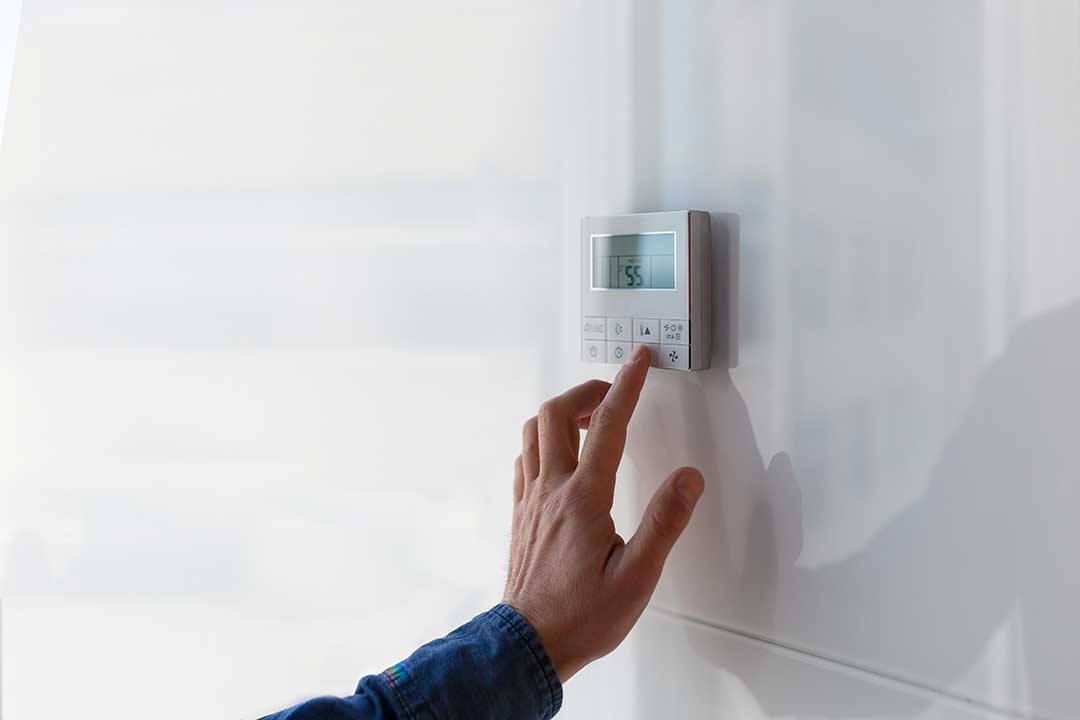
- Use the “fan” setting sparingly—continuous fan operation can stir up settled dust, especially if filters aren’t high-efficiency
- Recirculate air during high pollen days, keeping windows closed
- During storms or mowing, switch the system to recirculate to avoid drawing in outdoor allergens
Avoiding common myths—like believing always-on fans or constantly open windows are healthier—can prevent inadvertent allergy problems.
Are Air Purifiers or UV Lights Necessary?
Standalone air purifiers or add-on UV lights are available, but are not essential in every home. Whole-house filtration attached to the HVAC can help if someone in your home has severe allergies, but most Lexington households benefit most from basic steps: using a good filter, changing it routinely, and controlling humidity.
While UV lights can combat mold or bacteria inside air handlers, they should not replace the basics of filtration and moisture management.
What Are Some Signs Your HVAC Is Making Allergies Worse?
Indicators your system may be contributing to health issues include:
- Increase in allergy symptoms when indoors
- Musty or stale odors from vents (potential mold or mildew)
- Excess dust buildup around vents or on surfaces
- Visible mold on registers or in drip pans
Addressing these signs early—starting with filter checks and humidity control—can help prevent bigger problems.
Local Considerations for Lexington Households
Many homes in Lexington range from new builds with tight envelopes to historic houses with more drafts and older ductwork. These differences matter:
- Newer, tighter homes may need more dehumidification but are better at keeping outdoor allergens out
- Older homes with crawlspaces, vented attics, or leaky ducts often face higher risks of dust, moisture, and pest intrusion—regular inspections and basic maintenance can make a noticeable difference
- The local climate means that seasonal attention—changing filters after pollen peaks or before turning on the AC for the year—fits well with proven allergy management
Understanding how your HVAC system interacts with your local environment is one of the most effective ways to improve indoor air quality and minimize allergen exposure in your home.