

 See My Latest Article on HelloNation
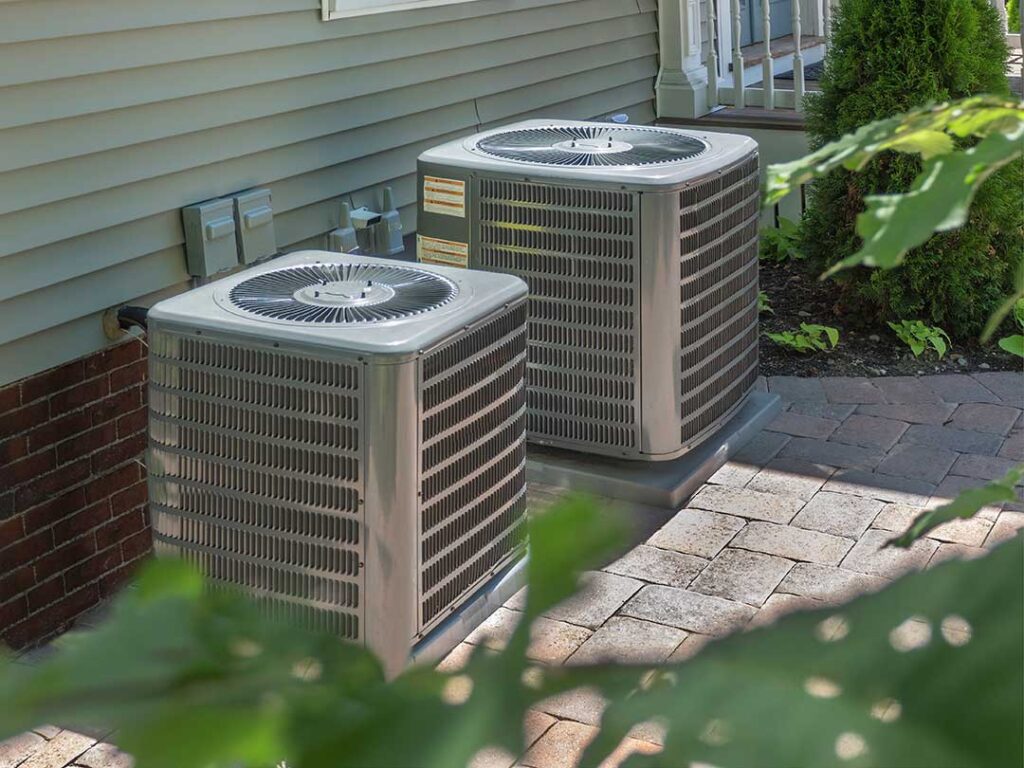
What Is an HVAC Inspection and Why Is It Performed?
A professional HVAC inspection is a detailed checkup of a home's heating, ventilation, and air conditioning system. Area households in Lexington, SC often consider these inspections before each major season—especially summer and winter—since temperature extremes can put extra strain on equipment. Inspections focus on identifying current issues, preventing breakdowns, and maintaining indoor comfort and safety.
Inspections aren't just for malfunctioning systems; homeowners may request them during annual maintenance, after moving into a new home, or before the start of a hot or cold season. Understanding what takes place during an inspection helps residents make informed decisions about home upkeep.
How Does the Inspection Begin?
The process usually starts with a conversation about your system and any concerns. Technicians often ask about uneven temperatures, strange noises, or high energy bills. This information helps them focus their assessment.
Next, before touching any equipment, inspectors visually examine the area around the system to spot obvious problems such as water leaks, wiring issues, or duct damage. In Lexington’s mix of older and newer homes, this initial walkthrough can reveal issues related to age, prior repairs, or regional weather impacts like humidity affecting insulation or condensation.
What Areas of the HVAC System Are Checked?
Every comprehensive inspection covers all major components:
- Thermostat – Checked for accurate temperature reading and response.
- Furnace or Air Handler – Examined for cleanliness, wear, safe operation, and proper ignition.
- Air Conditioner or Heat Pump – Assessed for refrigerant level, coil cleanliness, and unusual noises.
- Ductwork – Inspected for gaps, kinks, or signs of dust buildup that can reduce efficiency.
- Filters – Reviewed to ensure airflow is not restricted, which is especially important in the pollen-heavy seasons.
- Electrical Connections – Evaluated for corrosion, secure fittings, and safe wiring.
In Lexington’s climate, inspectors also frequently check for evidence of excessive moisture, which can show up as rust or mold around air conditioners or ductwork.
Are Tests Performed During the Inspection?
After the visual check, the inspector will typically power up the system and run it through a few cycles. This step focuses on real-world operation and safety:
- The furnace or heat pump is run in heating mode to check ignition, airflow, and venting.
- The central air system is tested for cooling performance and to ensure drainage is clear.
- Airflow is measured at vents to confirm even distribution—even in upstairs rooms, which are prone to temperature swings in Lexington’s humid climate.
- Carbon monoxide or gas leak detection might be included, especially if the home uses natural gas heating.
Some inspectors use tools to measure temperature differences between air entering and leaving the system, which helps spot efficiency problems.
What Maintenance Tasks Are Included?
Routine maintenance is often part of a full inspection, though the specific tasks can vary. These are some typical examples:
- Changing or cleaning the air filter to promote good airflow.
- Cleaning accessible coils to support efficient cooling.
- Lubricating moving parts to reduce unwanted friction and noise.
- Tightening electrical connections and inspecting wires for damage from pests, which can happen more often during seasonal changes in the area.
- Checking the thermostat’s settings and calibration.
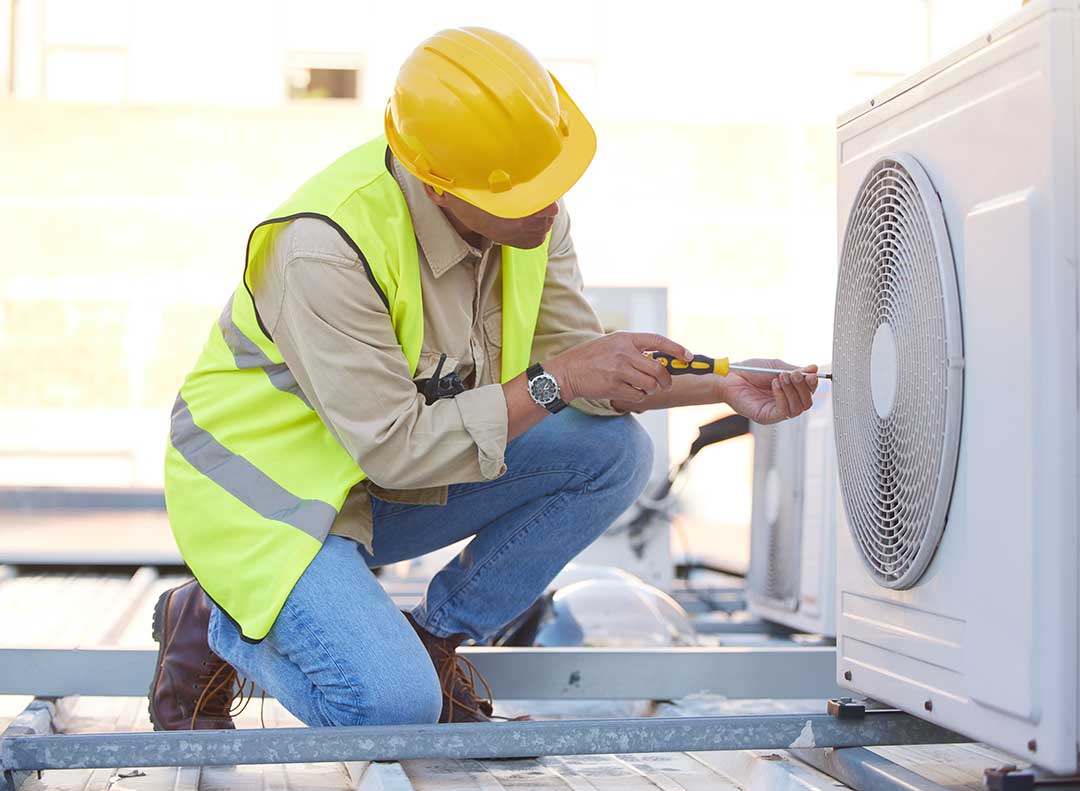
Cleaning vents and registers or clearing outdoor units of leaves and debris is particularly relevant in Lexington due to abundant tree cover and year-round plant growth.
What Details Are Recorded and Shared With Homeowners?
An inspection usually ends with a summary discussion outlining what was found and any suggested next steps. Residents typically receive a written checklist or short report. This document highlights:
- System components that are operating well.
- Areas showing signs of wear, corrosion, or minor leaks.
- Any safety concerns that need attention.
- Recommendations for non-urgent issues, like scheduling future maintenance or improving air flow.
For example, inspectors might note that insulation around refrigerant lines is worn (a common issue in local attic installations) or that stuck dampers are affecting the cooling of back bedrooms.
What Are Common Misconceptions About HVAC Inspections?
Many local residents wonder if inspections are just superficial checks or if they can be done with DIY methods. In fact, professional inspections use diagnostic tools and safety checks that go beyond what’s visible to the untrained eye.
Some area households believe newer systems or recently remodeled homes don’t need much attention. However, Lexington’s climate—with humidity and pollen from early spring through late fall—means filters clog faster and electronics can be impacted regardless of system age.
Another misconception is that all inspections are identical. The specifics can differ by equipment type, system layout, or the presence of add-ons like whole-home dehumidifiers.
What Should Lexington Homeowners Do Before and After an Inspection?
Before an inspection, make note of any issues such as rooms that are too hot or cold, noises, or furnace cycling. Clear access to HVAC components and keep pets away to make the process smoother.
Afterwards, review the findings and request clarification if any recommendations are unclear. Some suggestions may be routine (like seasonal filter changes), while others could involve addressing safety hazards such as gas leaks or CO detector updates.
Ongoing care—like regular filter changes and attention to unusual performance—helps households get more value from future inspections and extends the life of HVAC equipment despite the challenges of the local climate.