

 See My Latest Article on HelloNation
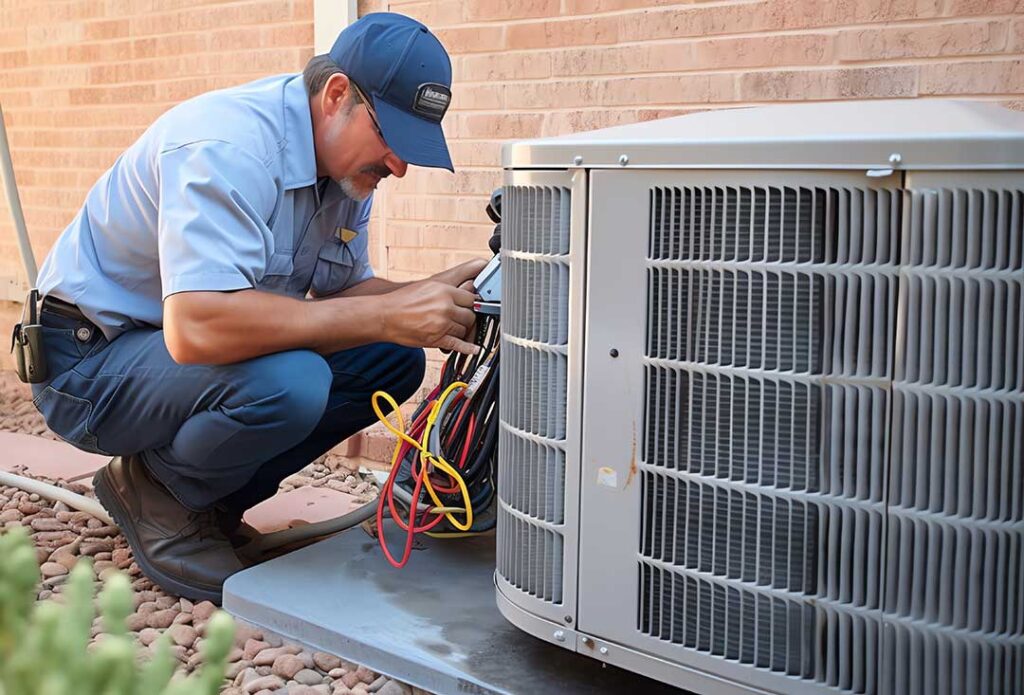
Why Might an Air Conditioner Run But Not Cool Effectively?
If you find your air conditioner circulating air but not making your living space comfortable, you’re not alone. For homes in Lexington, SC, this is a familiar summer frustration. Several distinct issues—both simple and technical—can cause this scenario.
Even well-maintained systems can struggle under extended South Carolina heat waves. Local homes often experience cooling issues due to a mix of climate-specific factors and everyday oversights. Understanding these can help area residents quickly pinpoint the problem or know when a fix requires extra caution.
Could It Be As Simple As a Thermostat Setting?
Surprisingly often, cooling problems start with overlooked settings. Before searching for complex causes, check these basics:
- Make sure the thermostat is set to "cool" and not just "fan."
- Confirm the temperature setting is well below the current room temperature.
- Replace thermostat batteries once a year to avoid communication problems between the control and the air conditioning system.
Digital thermostats in Lexington-area homes can sometimes get knocked off schedule by power interruptions from severe weather—a common summer event. Reset schedules if rooms aren’t cooling as usual after a storm.
Are You Dealing With a Dirty Air Filter?
A clogged air filter is one of the most common sources of performance issues. When the filter is blocked, it restricts airflow, causing cool air output to drop and the system to work harder.
The high pollen levels and long grass season in Lexington mean filters should be checked monthly in summer—more often if your household has pets or allergy sensitivities. Replace disposable filters regularly, or clean reusable filters following manufacturer instructions.
Ignoring filter changes over a single cooling season can eventually lead to icy coils and system shutdown.
Is the Outdoor Unit Blocked or Dirty?
Lexington’s humid, leafy environment leads to fast debris accumulation around outdoor condenser units. Leaves, twigs, grass clippings, or pollen buildup can block the flow of air needed to release heat.
To check for this:
- Visually inspect the outdoor unit at least once a month.
- Keep a clear zone of 2-3 feet around all sides of the unit.
- After heavy storms or yard work, remove visible buildup and hose off dirt, only when the power is safely off.
Dirty or blocked coils can cause warm air to blow through your vents or make the unit run non-stop with no temperature drop inside.
Could Low Refrigerant Be the Issue?
A persistent lack of cooling, especially when the system is running continuously, may point to refrigerant loss. Small leaks can develop in the sealed system, reducing the ability to absorb and expel heat.
Common warning signs include:
- Ice forming on the refrigerant lines or outdoor coil
- Hissing or bubbling sounds near the indoor air handler
- The system blowing room-temperature air, even during peak heat
Handling refrigerants requires certified expertise due to local and federal safety regulations. If you suspect a leak, professional repair is needed both for correct system function and environmental compliance.
Are The Air Vents Open and Unobstructed?
Furniture arrangement and household routines sometimes lead to blocked or closed supply vents, especially in high-traffic areas or during room redecorating.
Walk through your home and check that:
- All supply and return vents are fully open and not covered by rugs, curtains, or furniture
- Children’s rooms and secondary living spaces haven't had registers intentionally closed, which can disturb balanced airflow in modern ductwork systems
Airflow imbalances can prevent rooms from cooling evenly and stress the overall system, especially in multi-level Lexington homes.
Is The Ductwork Leaking Air?
Even with a functioning air conditioner, cooled air might not reach its intended destination if ductwork has gaps or leaks. This is particularly common in older Lexington homes or those with attics or crawl spaces subject to high humidity.
Symptoms of duct leakage include:
- Noticeable temperature differences between rooms
- A persistent musty odor or visible dust streaks around vents
- Increased utility bills with no improvement in comfort
Small leaks can sometimes be patched with duct mastic or foil tape, but extensive damage or disconnected sections may require more involved attention. Ensuring ducts are sealed and insulated helps address cooling loss and keeps energy bills in check.
Could System Size or Age Be Part of the Problem?
If your cooling system was sized or installed for different conditions—or if it’s reaching advanced age—it may no longer keep up with Lexington’s weather or changes to your home, like new insulation or room additions.
Older units often lose efficiency and have trouble removing humidity, resulting in air that feels cool initially but clammy over time. Undersized systems tend to run constantly without ever reaching the desired temperature.
Replacing a system is a significant step, but recognizing when age or capacity is the root cause helps homeowners avoid wasted effort on smaller tune-ups that won’t solve core limitations.
What About Power or Electrical Issues?
Electrical irregularities—such as tripped breakers, loose wires, or power interruptions—can cause the air conditioner to stop cooling or act intermittently. Lexington’s summer storms increase the likelihood of short outages and voltage fluctuations.
If the unit doesn’t start at all or seems to cut out unexpectedly, pause to:
- Check for blown fuses or tripped breakers in your home’s electrical panel
- Ensure the shutoff switch near the outdoor unit is in the "on" position
- Reset the system by turning the circuit breaker off and on
If issues persist after these basic checks, further troubleshooting should be approached with caution to avoid electrical hazards.
Are There Indoor Humidity or Insulation Factors?
High indoor humidity—very typical in Lexington’s summer—can make your home feel warmer than the thermostat reads. Leaky windows, inadequate attic insulation, or gaps around doors can all let heat and moisture inside, offsetting your air conditioner’s efforts.
Adding or updating weatherstripping, using ceiling fans to circulate air, and keeping blinds closed during sunniest parts of the day can all contribute to improved comfort alongside basic system maintenance.