

 See My Latest Article on HelloNation
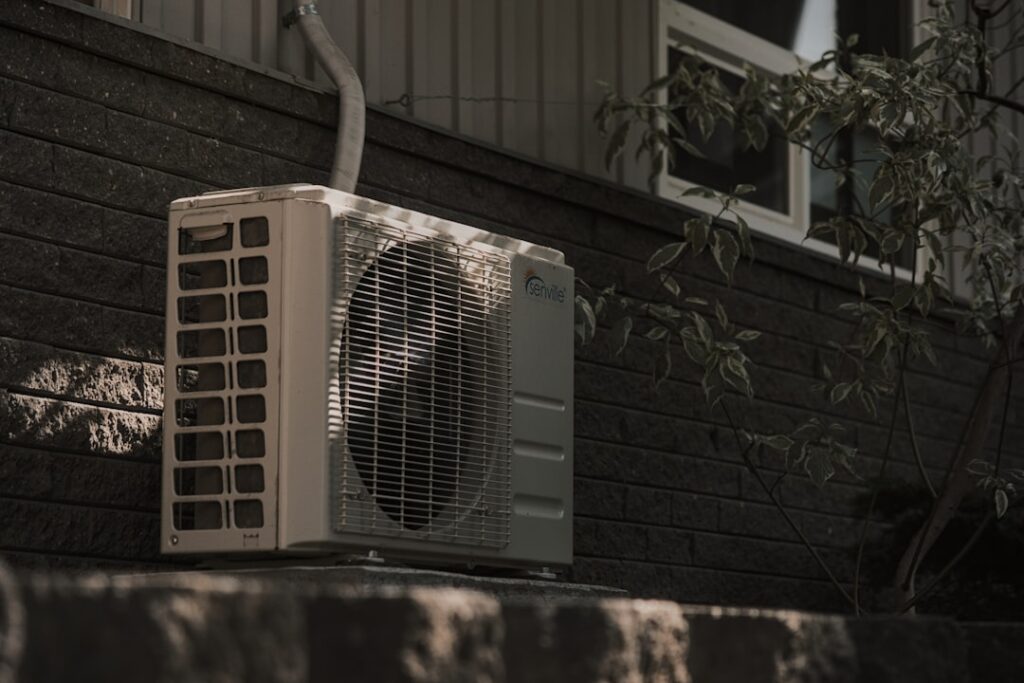
How Do Local Climate and Your System’s Age Influence This Decision?
HVAC systems in Lexington, SC face a unique mix of hot, humid summers and occasional chilly winters. These climate demands mean cooling and heating units often work hard several months of the year, leading to wear many homeowners underestimate.
Generally, if your system is less than 10 years old, well-maintained, and facing its first major issue, repair is often the more reasonable approach. However, after 12-15 years, the likelihood of multiple component failures increases. Systems exposed to heavy use—such as those in larger homes or spaces with older insulation—may reach this point sooner.
Local households frequently see air conditioning units last 10–15 years and heat pumps or furnaces around the same, provided annual maintenance. If your system is near or beyond this typical lifespan, replacement should be considered, especially if repair costs begin to add up.
What Warning Signs Suggest It’s Time to Replace the System?
While some malfunctions can be solved quickly, repeated issues or certain symptoms signal a system is at the end of its useful life:
- Cooling or heating struggles in one or more rooms, even after recent repairs
- Abrupt, loud noises signaling motor or compressor failure
- Persistent humidity or dust, despite filter changes and cleaning
- Energy bills that spike without any other home changes
- Frequent repairs costing more than half the price of a replacement
Unusual smells, short-cycling (turning on and off rapidly), or visible corrosion on outdoor units are also red flags. If multiple symptoms appear after your system reaches 12–15 years, replacement is almost always the more practical choice.
Is Repair Ever the Better Choice Over Replacement?
Repairs make sense for newer, well-maintained systems or when the needed fix is straightforward. Examples include:
- A thermostat replacement or minor electrical issue
- A small refrigerant leak that hasn’t caused lasting compressor damage
- A faulty capacitor or contactor (common in the Lexington climate)
Minor repairs are generally worth it if the overall system remains efficient and reliable, especially if it’s a newer, energy-efficient model. Area residents often see quick payback from these simple fixes, avoiding large capital expenses for a few more years.
However, repeated minor repairs in a short time—especially during peak cooling season—often hint at looming major failures.
How Do Energy Costs and Efficiency Impact the Repair vs. Replace Decision?
With local utility rates and long cooling seasons, many Lexington households notice high summer electricity bills with older systems. Newer HVAC models (especially those with ENERGY STAR ratings) often use 20–40% less power than units installed 15+ years ago.
If you notice escalating bills despite routine maintenance, your system’s declining efficiency may cost more each season than replacement would save in just a few years. Replacing older units with a higher SEER (Seasonal Energy Efficiency Ratio) rating can significantly lower monthly costs, especially in larger homes or those with outdated ductwork.
Comparing your average summer or winter bills with neighbors in similar homes can offer local perspective. If your costs are consistently higher, replacement with an efficient model could provide real long-term savings.
What Role Does Home Comfort and Air Quality Play in This Decision?
Comfort and indoor air quality are as important as mechanical considerations. Area residents often first notice discomfort—uneven room temperatures, excessive humidity, or persistent musty odors—before a system actually fails.

If professional repairs or air balancing (adjusting dampers or registers) don’t solve these issues, the system’s core functions may be too compromised to justify continued repair. Modern HVAC units offer advanced humidity control, filtration, and airflow management that older systems cannot match. Improving indoor comfort or reducing allergy symptoms sometimes justifies earlier replacement, even before catastrophic failure.
Are Repairs Ever Unsafe or Legally Restricted?
Some HVAC failures—such as refrigerant leaks or electrical faults—can pose safety or environmental hazards. In these situations, repair is mandated by law, but systems using outdated refrigerants (such as R-22, which is being phased out) often cannot be legally serviced with new coolant.
For homeowner safety, replacement should be prioritized if:
- The unit uses refrigerants that are no longer manufactured or legally obtainable
- There is evidence of recurring electrical shorts or burnt wiring insulation
- Carbon monoxide leaks are detected (in gas furnaces)
Area households should only perform repairs on accessible, low-voltage components—such as thermostat batteries or filter changes. Electrical or refrigerant issues, especially those involving outdated coolant, should be left to those with proper licensing and safety training, as required by regulation.
What Are Common Mistakes People Make When Faced With a Failing System?
Local residents sometimes continue repairing a failing HVAC unit in hopes of getting “one more season” because replacement costs feel high. However, when major repairs become annual events or energy bills rise sharply, pursuing one last fix can end up more expensive than planned.
Other mistakes include:
- Comparing only upfront costs rather than long-term utility savings
- Overlooking local climate demands, which shorten expected lifespan
- Ignoring persistent humidity or comfort complaints, assuming “it’s just how older homes are”
The decision to repair or replace should balance cost, comfort, safety, and efficiency—considering both immediate needs and long-term value to the household.