

 See My Latest Article on HelloNation
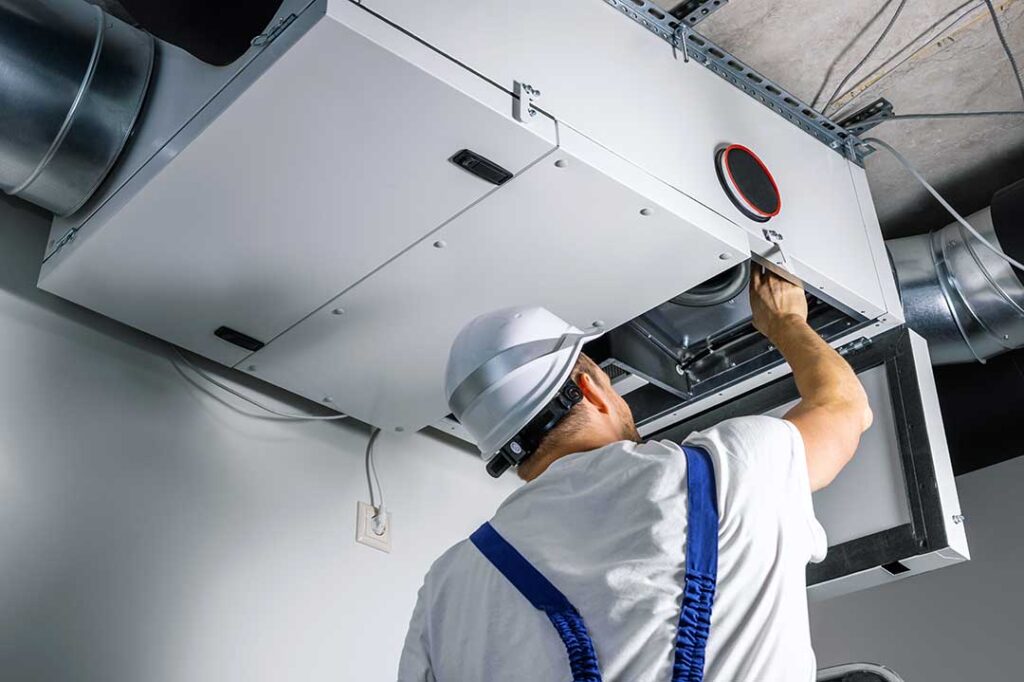
Why Should Area Households Replace HVAC Filters Regularly?
Changing HVAC filters is essential for maintaining healthy indoor air and keeping heating and cooling equipment efficient. In Lexington, SC, where pollen, humidity, and dust are common, dirty filters can quickly reduce air quality and strain HVAC systems. Replacing filters helps manage allergies, control dust, and supports energy efficiency throughout the year.
Most local HVAC systems rely on filters to trap dust, pollen, and other airborne particles. If a filter gets clogged, airflow slows down, which can make equipment work harder, increase utility bills, and even shorten the unit’s lifespan. Fresh filters are especially crucial after the spring pollen season, during humid summer months, and when running heat in winter.
How Often Should Filters Be Changed in Lexington?
Lexington households typically need to change filters more often than regions with milder climates or lower pollen counts. A good general guideline:
- Every 1–3 months for most homes, especially if pets are present or family members have allergies.
- More frequent changes—sometimes monthly—may be needed in homes near construction, farms, or in peak pollen months.
- Vacation homes or households rarely using their HVAC might be able to wait longer, but it’s wise not to exceed three months.
Checking the filter monthly is a practical local habit, especially in spring and early summer when pollen counts spike.
How Do You Locate and Identify the Right Filter?
Finding the filter is the first step. Most systems in Lexington homes use one or more rectangular filters placed in return vents (usually on a wall, ceiling, or in the HVAC unit itself). Look for:
- A removable grille or cover—often with clips or screws.
- For single-family homes, filters are most commonly inside the main return air grille in a hallway or near the thermostat.
- In some layouts, especially in attics or crawl spaces, the filter is inside the air handler unit.
Once located, read the existing filter’s edge for size (e.g., 16x20x1) and type (standard fiberglass, pleated, or high-efficiency). Note these numbers before purchasing a new filter to ensure proper fit.
What’s the Step-by-Step Process for Changing an HVAC Filter?
Changing a filter is simple and safe for most Lexington residents to do without special tools or expertise:
1. Turn Off the System
Move the thermostat to the off position to prevent the system from running while the grille is open.
2. Open the Grille or Access Panel
Carefully undo clips or screws and lower the cover. Return grilles usually swing open, but some require unscrewing.
3. Remove the Old Filter
Slide out the old filter gently to avoid knocking dust loose.
4. Check the Direction of Airflow
Note which way the arrows on the old filter are pointing. Airflow direction matters—match the arrows on the new filter to the same orientation (typically, arrows point toward the ductwork or blower).
5. Insert the New Filter
Slide the new filter in. Double-check that the fit is snug and the arrows are correct.
6. Close the Grille or Panel
Secure the cover, ensuring it’s firmly in place.
7. Turn the System Back On
Set the thermostat to your usual setting.
Dispose of the used filter in a sealed garbage bag, particularly if it’s visibly dusty or has accumulated pollen and pet hair.
What Types of Filters Work Best for Lexington Homes?
For homes in Lexington, filter choice depends on household needs:
- Fiberglass Filters: Inexpensive and suitable for homes without allergy concerns or pets. These capture only large particles.
- Pleated Filters: Offer better dust and pollen control, preferred by residents with allergies or pet dander.
- High MERV Filters: Trap fine particles like smoke and pollen, but resist airflow more. Make sure your system is compatible before using very high-rated filters.
Local humidity can mean more mold spores and larger dust loads—pleated or allergen-rated filters are practical for many families. Always match the filter size and rating to your unit’s requirements (check your HVAC manual or the old filter’s packaging).
Are There Common Mistakes to Avoid?
Changing a filter is straightforward, but common missteps can reduce system performance or risk damage:

- Using the wrong filter size, which lets air bypass the filter.
- Forgetting to note airflow direction; backwards installation lowers effectiveness.
- Skipping changes for extended periods, especially after heavy pollen, pet shedding, or local construction projects.
- Choosing filters with a MERV rating too high for the system, creating excessive resistance and possible motor strain.
- Dislodging insulation, wiring, or ductwork when handling filters in attic or crawl space units.
If in doubt about filter type or access location, peak into the return grille with a flashlight before disassembling anything.
What Local Conditions Affect Filter Replacement?
Lexington’s humid summers increase air conditioning use, causing filters to fill up more quickly due to moisture and pollen load. Spring also brings intense pollen that rapidly clogs filters. In dry weather, dust from farms and wind can lead to heavier accumulation indoors.
Homes near Lake Murray may also see added dust and pollen, and some neighborhoods experience higher dust loads due to nearby construction or unpaved roads.
Living with pets, burning candles, or frequently opening windows can all shorten the interval between filter changes. Allergy-prone households and families with asthma benefit from erring on the side of more frequent filter replacement.
What Are Signs a Filter Needs Changing—Even If It’s Early?
Some indicators suggest a filter is overdue for change:
- Increased dust buildup around vents or on furniture
- Noticeable musty or dusty odors when HVAC runs
- Allergy symptoms worsening indoors
- Whistling noises from return grilles (a sign of airflow restriction)
- Reduced air movement or rooms failing to heat/cool evenly
If any of these signs appear, check and swap the filter regardless of the calendar date.
What Should Be Done After the Filter Is Replaced?
Once the new filter is installed, mark the change date on the filter edge or note it in a household calendar. Some Lexington residents set calendar reminders, especially during heavy-use seasons.
Monitor airflow and home comfort over the next few days—if airflow seems low or odors persist, double-check for proper fit and installation. Filter changes are one of the simplest routine tasks for keeping HVAC systems clean, efficient, and comfortable year-round.