

 See My Latest Article on HelloNation

Why Prepare Your HVAC Before Winter Arrives?
Taking steps to get your heating, ventilation, and air conditioning system ready before cold weather sets in helps ensure comfort, safety, and reliable efficiency all winter. In Lexington, SC, winters can vary, with occasional cold snaps and damp conditions adding a distinct local factor. Proactive preparation reduces the chance of breakdowns during the season’s coldest days.
What Should Homeowners Check On Their Own?
Residents can safely handle several key tasks before lowering the thermostat for the first time each year. These simple steps make a noticeable difference:
- Replace or clean air filters to help your system breathe and run efficiently. Dust builds up quickly in Midlands homes, especially after pollen season.
- Clear debris like leaves, pine needles, or grass away from outdoor units. This allows unrestricted airflow and helps prevent breakdowns.
- Test the thermostat by switching it to heating mode. Set it a few degrees higher and listen for your system to turn on. Address unusual noises, long delays, or lack of warm air promptly.
- Vacuum supply and return vents throughout the house. Blocked vents make systems work too hard, using more energy and providing uneven heat.
How Does Local Weather Affect HVAC Preparation?
Lexington faces relatively mild winters, but periodic freezing nights can put stress on equipment unused for months. High humidity and sudden cold snaps can contribute to condensation, rust, or mold, especially if homes stay sealed up for long periods.
Homes with crawl spaces or older ductwork may see higher energy bills and more drafts if duct leaks go unchecked. Residents who only use their systems occasionally sometimes find units struggle to keep up on rare extreme cold days.
Do Heat Pumps Need Special Attention in Central South Carolina?
Many Lexington homes use heat pumps, which move heat instead of generating it. Heat pumps are energy-efficient in mild climates but can lose some capacity as outdoor temperatures dip below freezing.
Before winter, confirm that your heat pump’s defrost cycle works. It should periodically switch to cooling mode for a few minutes to melt frost off the outdoor coil. Look for persistent ice, which may signal a malfunction or airflow restriction. For homes with backup electric heat strips, make sure these activate as needed during colder spells, as they provide supplemental warmth when the heat pump alone cannot keep up.
Should Residents Cover Outdoor Units for Winter?
Fully enclosing a heat pump’s outdoor unit is not recommended, as this can trap moisture and encourage mold or rust. Instead, remove heavy debris and lightly shield the top with a simple board or grill during extended periods of falling leaves or freezing rain—only if the unit will sit unused. For systems running all season, keep them uncovered so they can breathe and defrost. Never wrap the entire unit in plastic or airtight material.
How to Prevent Drafts and Heat Loss in Local Homes?
Drafty windows and doors can make even a well-serviced HVAC system work overtime. Simple efforts help keep warm air indoors:
- Add weatherstripping or caulk to old windows and exterior doors.
- Close fireplace dampers when not in use.
- Use heavy curtains at night for extra insulation.
- Ensure attic and crawl space vents are in good condition to avoid unwanted cold air infiltration.
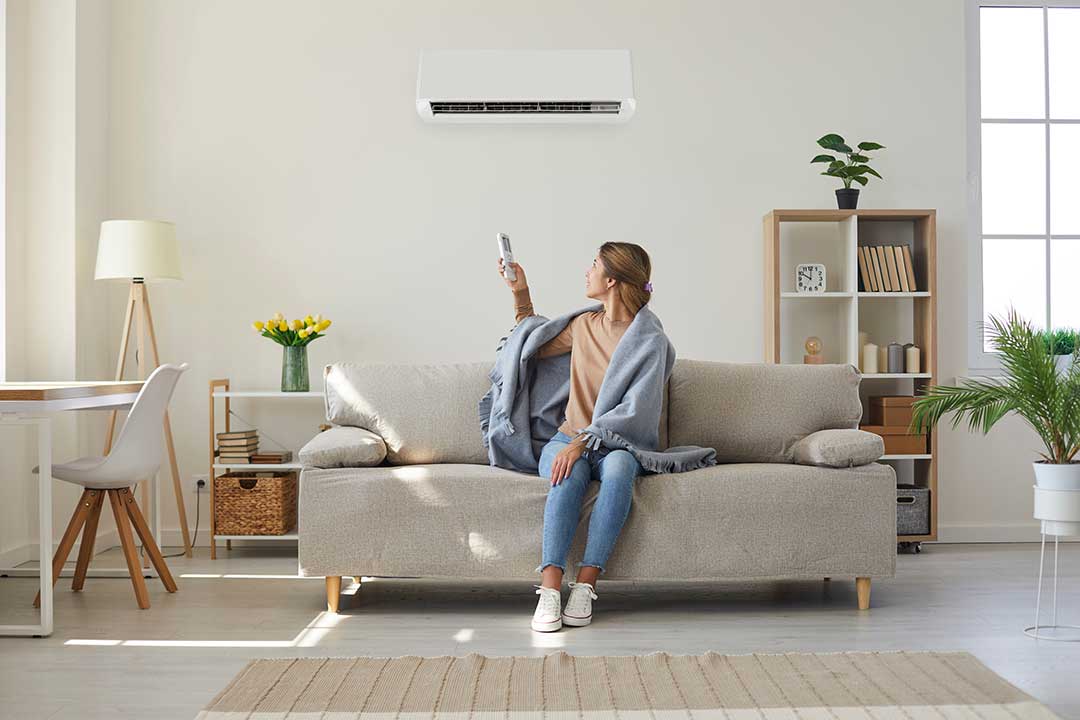
Homes in Lexington that were built decades ago may benefit from an energy audit to identify bigger insulation or duct issues, especially if comfort problems persist.
Is Ductwork Maintenance Necessary Before Winter?
Ducts carry conditioned air from your equipment to rooms throughout the house. Dirty, leaking, or blocked ducts waste energy, reduce comfort, and can introduce dust or allergens.
If certain rooms feel colder than others or heating bills suddenly spike, inspect visible ductwork for disconnected joints, crushed sections, or loose insulation. Homeowners can reseal small leaks with foil tape approved for HVAC use, but leave major repairs for licensed professionals where safety, asbestos, or accessibility are concerns.
What About Unused AC Units in Winter Months?
In homes with separate heating and cooling systems, central air conditioning components will be idle during winter. While these generally require little attention, clearing debris and gently rinsing coils (after disconnecting power) prevents trouble when warm weather returns. Resist the urge to fully cover these units, as moisture buildup can cause corrosion or damage wiring.
How Can Homeowners Monitor for Emerging Problems?
Throughout the season, check for these warning signs:
- Unusual noises or constant cycling suggest mechanical trouble.
- Sudden increases in energy bills point to system inefficiency or heat loss.
- Uneven heating, strong odors, or visible mold should be addressed quickly to protect household health.
Addressing issues early keeps minor problems from worsening and helps avoid loss of heat on the coldest days.
Are There Safety Steps to Take Before Firing Up the Heat?
For homes using natural gas, propane, or oil equipment rather than only heat pumps, safety is vital. Test smoke and carbon monoxide detectors on each floor and near sleeping areas, replacing batteries and units as needed. Clear combustibles away from furnaces and water heaters. If pilot lights or gas odors are a concern, stop and seek input from your utility provider or emergency services.