

 See My Latest Article on HelloNation
How Can Thermostat Adjustments Lower Heating Costs?
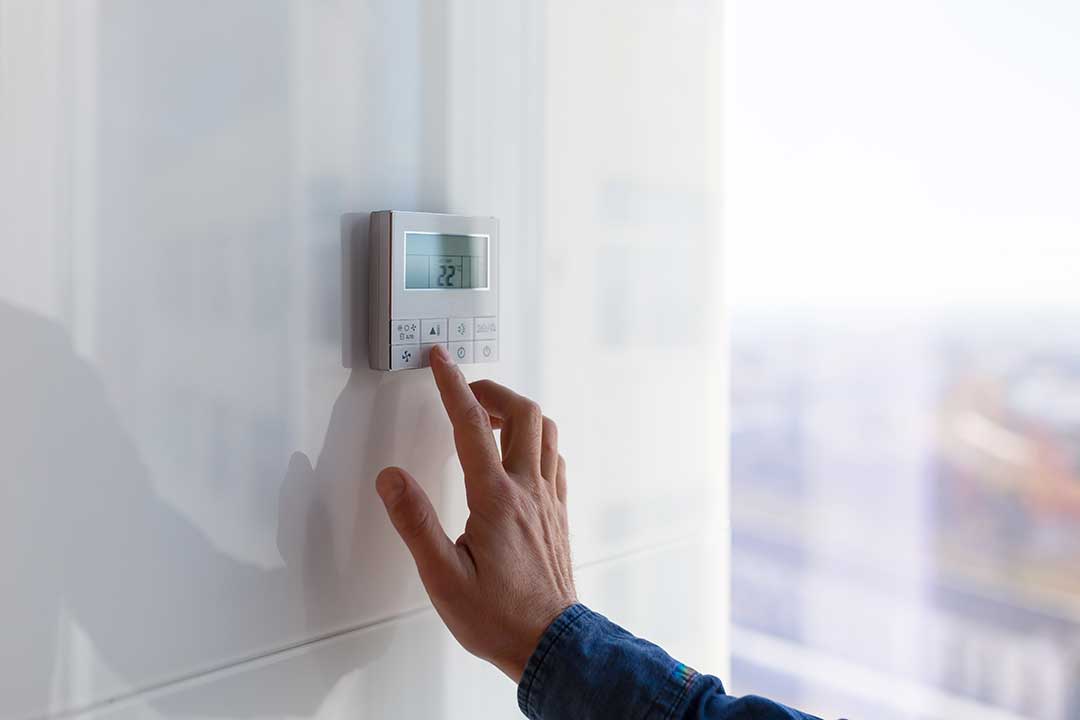
Lowering a thermostat by even a couple of degrees can generate noticeable savings for area households, especially during chilly winter nights in Lexington, SC. Setting the temperature to 68°F when residents are home and awake—and then lowering it by 7–10 degrees at night or when everyone is away—can often cut heating bills by up to 10%. Programmable or smart thermostats make it easy to manage these changes automatically, but manual adjustments are just as effective if done consistently.
Many overlook how making gradual reductions actually helps the body get used to cooler temperatures, which means comfort isn't sacrificed for savings. Heat pumps, commonly used in the region, should be adjusted thoughtfully; frequent, large temperature swings can sometimes reduce efficiency, so small, steady changes work best.
Which Drafts or Leaks Should Be Addressed First?
Sealing gaps and reducing drafts can go a long way toward conserving heat. In older Lexington homes or houses built prior to more recent energy standards, windows and doors are common culprits.
Focusing on:
- Weatherstripping around doors
- Caulking cracks around window frames
- Adding seals to attic access panels and unused fireplace dampers
These steps can quickly stop warm air from escaping and keep cold air out. Concentrate on parts of the home that feel noticeably colder or are near exterior walls. Don’t forget to check around plumbing penetrations and electrical outlets on outside-facing walls—foam gaskets can make a difference here.
Are Heating System Filters Making a Big Impact?
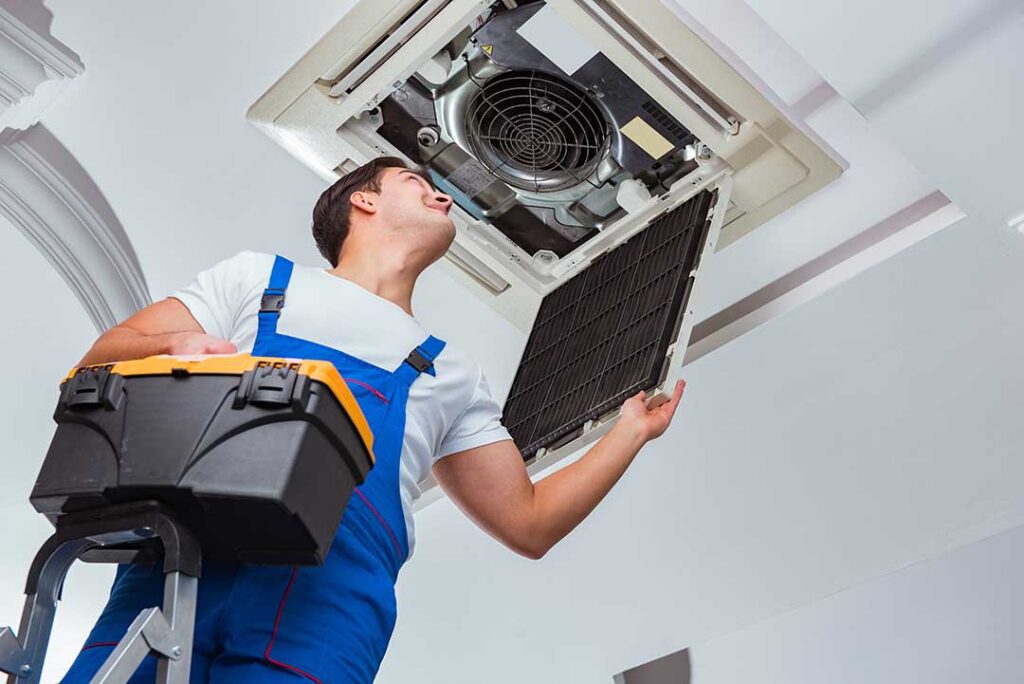
A clogged or dirty air filter can make forced-air systems work harder, driving up energy usage. Checking the filter each month during the heating season—especially with Lexington’s sightly dustier rural surroundings—offers two benefits: it improves air flow, and it may help the system last longer while using less energy.
Filters should generally be replaced every 1–3 months, though pets or local pollen levels may mean more frequent changes. Residents often underestimate how quickly filters become loaded, particularly after any home improvement projects or periods of heavy use.
How Does Insulation Affect Heating Bills in Lexington?
Proper insulation plays a key role in keeping homes comfortable and affordable to heat, especially as winter lows sometimes dip near freezing. Heat loss through the attic or uninsulated crawlspaces contributes significantly to higher bills.
Priority areas include:
- Attic floors and access hatches
- Basement or crawlspace foundations
- Exterior walls, if accessible during renovations
Blown-in or batt insulation is a cost-effective upgrade for attics. Even laying additional layers over existing insulation can provide a return on investment over several winters, reducing both heating and cooling demands.
Can Using Curtains and Shades Help Save Money?
Thermal loss through windows is a subtle but constant drain on indoor heat. Lexington’s sunny winter days bring opportunities to harness solar warmth for free. Opening south- and west-facing curtains during daylight hours can naturally warm living areas, while closing them at night helps retain heat.
Heavier, insulated drapes or cellular shades offer extra protection on colder nights, especially for older or single-pane windows. These window treatments work best as part of a broader home-heating strategy.
What Are Common Heating Habits That Accidentally Waste Energy?
Certain everyday behaviors can quietly sabotage even the best-insulated homes. A few key habits to watch for:
- Leaving exhaust fans on longer than necessary—they quickly remove warmed air
- Heating unused rooms by keeping vents open everywhere instead of focusing warmth where it’s truly needed
- Setting the thermostat high in hopes of heating rooms faster (most systems supply heat at a constant rate, so this just keeps the system running longer)
By briefly running exhaust fans and closing doors or vents to lesser-used rooms, local households typically see quick savings.
Should Space Heaters Be Used for Supplemental Heating?
Small, electric space heaters can save money if they allow lowering the main thermostat while only heating a single occupied room. However, these units use a significant amount of electricity in proportion to the small area they heat.
For safe and efficient use:
- Operate only under supervision in well-ventilated areas
- Use them for short periods in the smallest space possible
- Never as a substitute for central heating in multiple rooms
Space heaters work best for individuals who spend most of their time in one spot, such as a home office or den, rather than for general household use.
How Much Should Residents Rely on Fireplaces or Wood Stoves?
While fireplaces add ambience, typical open-masonry fireplaces in the community provide more aesthetic than practical heat. In fact, they often draw warm air up the chimney, causing the rest of the home to lose heat.
Ensuring the damper is tightly closed when the fireplace isn’t in use is an easy step to keep heated air from escaping. For households using wood stoves, modern EPA-certified stoves offer far greater performance and safety than traditional designs and are more efficient for supplemental heat.
Are There Any Local Considerations in Lexington That Affect Heating Bills?
Lexington’s winter temperatures are generally milder than many northern climates, but rapid changes and occasional cold snaps are common. Homes built before the early 2000s may lack modern insulation or window standards, making some of the above steps even more important.
The prevalence of heat pumps across the city also means residents should pay attention to manufacturer recommendations for maintenance—routine cleaning of outdoor units and avoiding heavy ice buildup during the rare cold snap help equipment run more efficiently all season.