

 See My Latest Article on HelloNation

What Does SEER Mean in Air Conditioning?
SEER stands for Seasonal Energy Efficiency Ratio. It measures how efficiently an air conditioning system uses electricity to provide cooling over an average season. The higher the SEER number, the more energy-efficient the system is considered to be.
In practical terms, SEER helps area households compare how much energy different central air conditioners or heat pumps will use, with higher-SEER systems generally resulting in lower operating costs over time.
Why Do SEER Ratings Matter for Lexington, SC Residents?
Lexington, SC experiences hot, humid summers. Air conditioning is not just a luxury but a necessity for most homes. Because cooling costs often account for a large portion of summer electricity bills, small differences in system efficiency can add up quickly.
Local utility costs, the age and insulation levels of homes, and the length of the cooling season all impact how much residents might save with a higher-SEER unit. Most new homes built in the area are equipped with systems matching at least the federal minimum SEER, but upgrading an older system can create noticeable savings and improve indoor comfort.
How Is SEER Calculated?
SEER represents the total cooling output (in BTUs) divided by the total electric energy input (in watt-hours) during a typical cooling season. While technical, this boils down to "miles per gallon" for air conditioning: how much cooling you get for each unit of electricity used.
For example:
- A system with SEER 14 uses more electricity for the same cooling than a SEER 18 system.
- Federal standards currently require new central air systems in this region to meet a minimum SEER rating of 14.
What Does a "Good" SEER Rating Look Like in This Area?
For most single-family homes in Lexington, units with SEER ratings between 14 and 18 are common. Older units installed a decade or more ago sometimes have ratings as low as 8-10. The most efficient systems on the market today reach SEER ratings over 20, but these may not be necessary for every household, especially if the existing ducts, insulation, or windows are less efficient.
Residents often ask if a very high-SEER system is always worth it. The answer depends on:
- How long you plan to stay in the home
- Your current utility costs
- The size and shading of your house
- Local energy rebates or incentives
For many homes, moving from an aging unit to a model in the 14-18 SEER range strikes a good balance between upfront investment and energy savings.
Can a Higher SEER Rating Lower My Energy Bills?
Switching to a higher-SEER system typically reduces electricity costs, but the actual amount depends on several factors:
- The difference between your current unit’s SEER and the new system
- How many hours per day the air conditioner runs during the summer
- Whether your home has air leaks, poor insulation, or other sources of heat gain
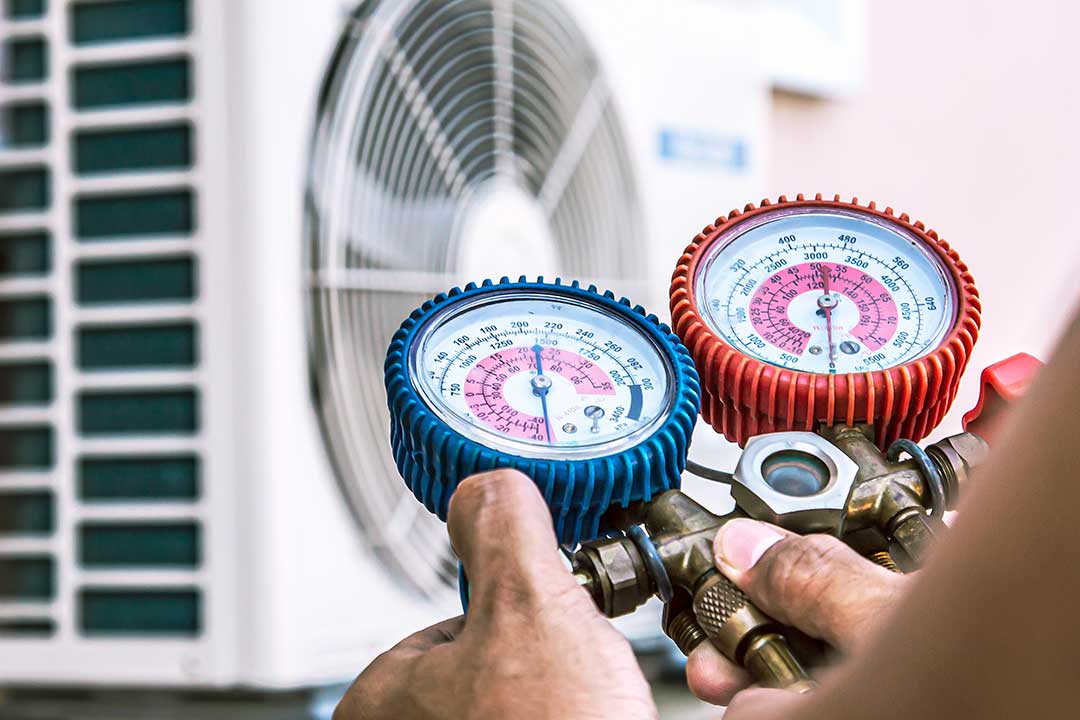
For example, if your old system is SEER 10 and you upgrade to SEER 16, you could use up to 37.5% less energy for cooling under similar conditions. However, overall savings may be less if the air conditioner isn't the main source of high bills—such as in well-shaded or smaller homes.
Keep in mind that improving insulation, using ceiling fans, and sealing ductwork can also help reduce cooling expenses alongside upgrading to a more efficient unit.
Are There Other Ratings Besides SEER to Know About?
Many area residents hear SEER most often, but EER (Energy Efficiency Ratio) and HSPF (Heating Seasonal Performance Factor, for heat pumps) are also relevant. SEER reflects average conditions over the summer, while EER measures efficiency at a single peak temperature. HSPF is used to rate heating efficiency in systems that provide both heating and cooling.
For most homeowners, SEER is the most practical comparison point for cooling, but asking about EER or HSPF can give a fuller picture, especially if you rely on a heat pump year-round.
Are There Downsides to High-SEER Air Conditioners?
High-SEER systems often use advanced variable-speed technology, which can improve comfort by maintaining steadier temperatures and lower humidity. However, these systems are sometimes more expensive to repair due to complicated controls and less common parts.
Another overlooked factor is that a higher-SEER unit will only operate at rated efficiency if it is sized, installed, and maintained properly. An oversized or poorly installed system—even one with a high SEER—may cycle on and off too frequently, wasting energy and reducing comfort.
What Common Misunderstandings Do Homeowners Have About SEER?
- "A higher SEER rating always means huge savings." The real difference depends on many factors specific to your household.
- "Any upgrade is better." Replacing a working mid-efficiency unit may not pay off quickly unless the old system is undersized, costly to repair, or using much more power than it should.
- "Only the SEER rating matters." Comfort, humidity control, installation quality, and compatibility with existing ducts are equally important.
How Should Households in Lexington Compare Efficiency When Shopping for a System?
Begin by identifying the current system’s SEER and cooling needs, along with your annual electricity costs. Compare the projected savings of different SEER ratings using local rates and realistic usage patterns.
If the home is well-insulated, uses programmable thermostats, and has efficient windows, the impact of upgrading to a higher SEER unit may be greater. On the other hand, addressing insulation or ductwork issues could bring additional comfort and savings, regardless of the air conditioner's SEER.