

 See My Latest Article on HelloNation

What Is a Heat Pump and What Does It Do?
A heat pump is a type of HVAC system that provides both heating and cooling for homes. Unlike traditional furnaces or air conditioners, a heat pump moves heat rather than generate it. In areas with mild winters and hot summers, such as Lexington, SC, heat pumps are a practical choice for year-round indoor comfort.
Essentially, a heat pump transfers heat from outdoor air into your house during colder months, and removes heat from inside the house during warmer months. This makes it an energy-efficient solution compared to systems that rely on fuel combustion or electric resistance to create warmth.
How Does a Heat Pump Transfer Heat?
A heat pump works by circulating a refrigerant through a cycle of evaporation and condensation. Here's how that process unfolds:
- In heating mode, the outdoor unit absorbs heat from the outside air, even in chilly weather, and moves it inside.
- In cooling mode, the process reverses: heat inside your home is absorbed and released outdoors.
The main components involved are:
- An outdoor unit (housing a compressor and coil)
- An indoor unit (with its own coil and blower)
- Refrigerant lines linking the two
Switching between heating and cooling is as simple as changing the setting on your thermostat. The system's reversing valve changes the direction of refrigerant flow to suit the season.
Is a Heat Pump Enough During Lexington Winters?
For most homes in Lexington, a heat pump can provide adequate heating throughout typical winters. The climate is usually mild; freezing temperatures do happen but are rarely prolonged. Modern heat pumps are capable of extracting heat from outdoor air down to temperatures around 25°F to 30°F, which covers most of the area’s winter nights.
Some models include backup electric resistance heaters. These activate automatically if the main system can’t keep up during colder snaps, preventing uncomfortable indoor conditions during occasional cold spells.
What Makes Heat Pumps Efficient?
Heat pumps are considered efficient because, rather than producing heat, they simply relocate existing heat using electricity to power the compressor and fans. For every unit of energy used, a heat pump can deliver two to three (or more) units of heating or cooling. This efficiency is especially noticeable in milder climates like Lexington, where the temperature extremes are moderate.
Seasonal Energy Efficiency Ratio (SEER) ratings are used to compare how efficiently heat pumps cool air, while Heating Seasonal Performance Factor (HSPF) ratings measure heating efficiency. Higher numbers signal better performance.
Are Heat Pumps Good for Lexington’s Humid Climate?
Humid summers are a familiar part of life in Lexington. Heat pumps serve double duty by not only cooling but also dehumidifying indoor air during operation. While removing heat, the evaporator coil also condenses moisture from the air, collecting it and allowing it to drain away.
This process helps maintain comfortable indoor humidity levels and supports better indoor air quality. However, if humidity remains a problem, local residents sometimes pair their system with a dedicated whole-house dehumidifier for extra control.
What Types of Heat Pumps Are Commonly Used?
Most homes in Lexington are equipped with air-source heat pumps. These systems transfer heat between the home and the outdoor air, suitable for the local climate.
Other types, such as ground-source (geothermal) heat pumps, are less common locally due to higher installation costs and the area’s typical housing layouts, but they do exist in some settings.
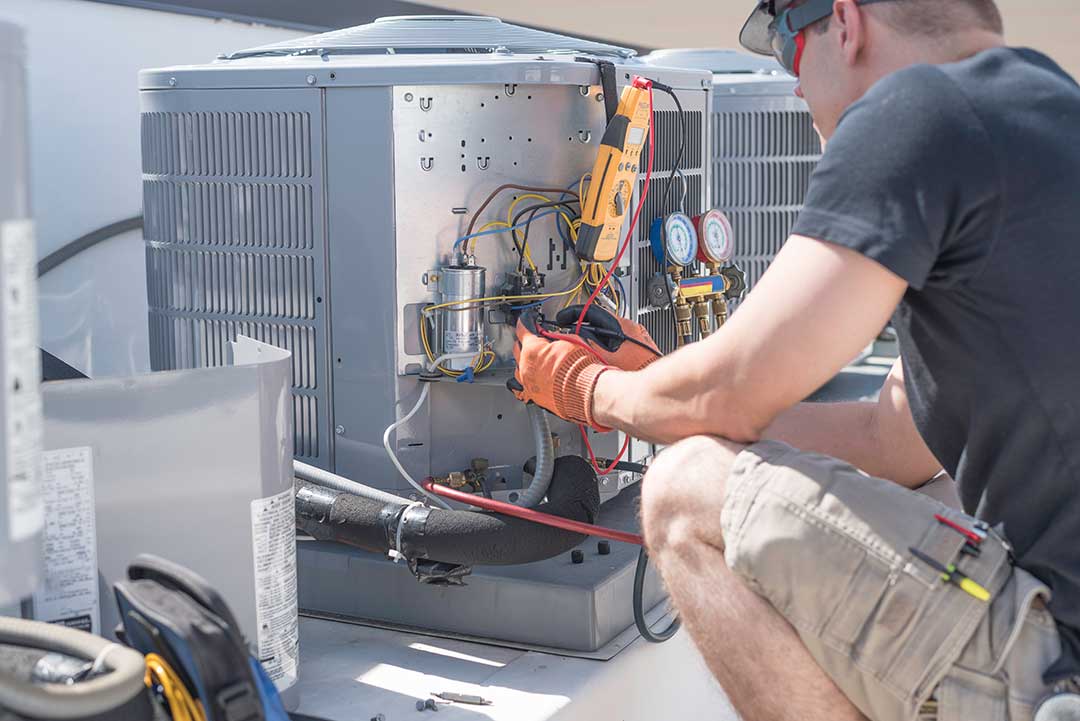
Ductless mini-split heat pumps are another option. These are attractive for additions, renovations, or homes without central ductwork, allowing room-specific temperature control without needing extensive duct installation.
Do Heat Pumps Require Special Maintenance?
Routine tasks for heat pump homeowners mostly resemble those of any central heating and cooling system:
- Check and replace air filters regularly to keep airflow healthy
- Keep outdoor units clear of leaves, grass, and debris
- Schedule a professional checkup once or twice a year, especially before the peak heating or cooling seasons
Because heat pumps work all year, regular maintenance goes a long way in supporting system reliability and efficiency. Residents handling filter changes and keeping the area around the outdoor unit clean can prevent the most common issues that affect performance and longevity.
Are There Misconceptions About Heat Pumps?
A local misconception is that heat pumps can’t keep homes comfortable in cold weather. While they do operate differently from gas furnaces, modern heat pump systems are very capable in the Lexington area’s climate. Even during below-freezing nights, auxiliary or emergency heat features supply backup heating as needed.
Another mistaken idea is that heat pumps are only useful as air conditioners. In fact, their dual-mode heating and cooling capabilities are exactly what make them valuable for most homes in this area.
Are Heat Pumps Noisy or Uncomfortable to Use?
Modern heat pumps are designed for quiet operation. While the compressor and outdoor fan do make some noise, most households find it no louder than a standard air conditioning unit. Inside, the sensation of heat is different from the high temperatures delivered by furnaces—air from the vents tends to feel mildly warm instead of hot, but rooms stay comfortable.
Some people notice that, during long stretches of cold, the auxiliary heat may run more often. This can be reflected in higher electricity use during extreme cold snaps, but for most of the year, the efficiency more than balances this out.
How Long Do Heat Pumps Last in Lexington?
With regular maintenance, most heat pumps in this region last between 10 and 15 years. Units may last longer in homes where the heating and cooling loads are moderate, and regular service is part of the routine.
Outdoor units in Lexington are exposed to humidity, summer thunderstorms, and occasional cold spells, but not the heavy snow or ice seen further north. Protecting the unit from heavy debris and lawn activity extends its service life.