

 See My Latest Article on HelloNation
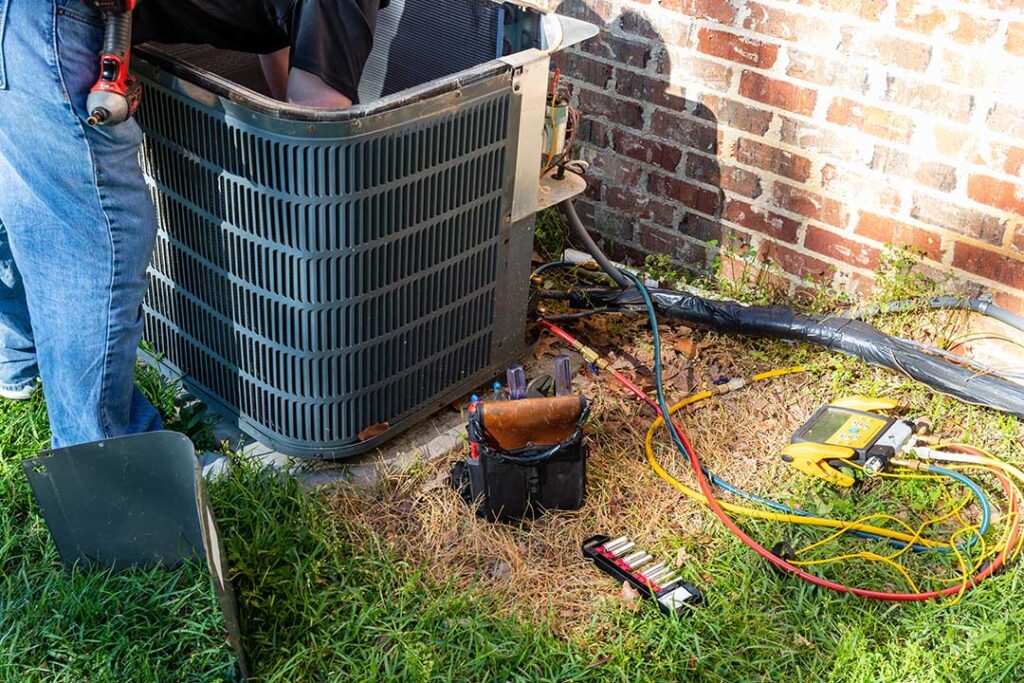
How often should a home HVAC system be maintained?
Most homes in Lexington, SC should have heating and cooling equipment checked twice a year: once in spring before heavy air-conditioning use and once in fall before regular heating begins.
A twice-yearly schedule fits the area’s long cooling season, humid conditions, pollen exposure, and occasional winter cold snaps. It also gives the system a chance to operate efficiently before the months when a breakdown would be most disruptive.
A single annual visit may be reasonable for some newer, lightly used systems, but twice-yearly maintenance is a more cautious schedule for heat pumps, older equipment, homes with pets, and households that depend on one system for both heating and cooling.
Why are spring and fall the usual maintenance seasons?
Spring and fall inspections are timed around the two major changes in operating conditions.
Spring maintenance focuses on preparing the cooling system for sustained use. An inspection may include checking airflow, electrical connections, refrigerant-related components, condensate drainage, indoor coils, outdoor coils, and thermostat operation.
Fall maintenance prepares the heating equipment for colder weather. Depending on the type of system, attention may be given to burners, heat exchangers, ignition components, safety controls, blower operation, duct connections, and carbon monoxide risks associated with combustion equipment.
For a heat pump, both visits can be especially useful because the same equipment provides heating and cooling. Heat pumps often run for much of the year, so they have fewer extended periods of inactivity than a system used only for summer or winter.
Is annual HVAC maintenance enough?
Annual maintenance is better than skipping inspections, but it may not be enough for every household.
A yearly visit may suit a newer system that has moderate use, clean filters, good drainage, and no history of performance problems. Even then, the timing matters. An inspection shortly before the season of heaviest use is generally more useful than one scheduled randomly.
Twice-yearly maintenance is more appropriate when:
- The system is more than about 10 years old.
- The home uses a heat pump.
- The equipment runs for long periods during summer.
- Indoor humidity remains high.
- The household includes pets, smokers, or residents with allergies.
- The home has dusty conditions, renovation debris, or unusually high pollen exposure.
- The system has needed repeated repairs.
- Rooms are unevenly heated or cooled.
- The equipment has trouble starting, stopping, or maintaining the thermostat setting.
Maintenance frequency should reflect operating conditions rather than age alone. A newer system in a demanding environment may need more attention than an older system that receives light use and has excellent airflow.
What maintenance can a homeowner do?
Several routine tasks can be handled safely by residents. These steps do not replace a full inspection, but they help reduce avoidable strain.
Replace or clean the air filter
Check the filter every month during periods of heavy use. Many standard filters need replacement every one to three months, but the correct interval depends on filter thickness, household dust, pets, indoor air quality needs, and system run time.
A filter that looks gray, bowed, or visibly clogged should be changed according to the equipment and filter instructions. A filter that is too restrictive for the system can also reduce airflow, so a higher filtration rating is not automatically better.
Keep the outdoor unit clear
Remove leaves, grass clippings, weeds, and other debris from around the outdoor equipment. Maintain open space around the unit so air can move freely, but avoid using a pressure washer or bending the delicate coil fins.
Check supply and return vents
Furniture, rugs, curtains, and storage items should not block supply registers or return grilles. Closing many vents can increase pressure in the duct system and may cause comfort problems or added strain.
Inspect visible condensate areas
During cooling season, the indoor system produces water as it removes humidity from the air. Check for standing water near the indoor unit or drain pan. Water stains, repeated drain clogs, or an overflowing pan deserve prompt attention because moisture can damage ceilings, flooring, insulation, and nearby materials.
Keep thermostat settings reasonable
Large temperature swings can lead to long run times and uncomfortable indoor conditions. A programmable or smart thermostat may help manage schedules, but its settings should still match the household’s actual routine.
What does a professional maintenance visit usually include?
A complete service visit is more than changing the filter or washing the outdoor cabinet. The exact work depends on the system type, but a thorough inspection commonly includes:
- Measuring airflow and temperature change.
- Checking electrical connections and system controls.
- Inspecting the blower, coils, and accessible ductwork.
- Testing thermostat operation.
- Examining refrigerant-related performance without adding refrigerant unnecessarily.
- Checking condensate drainage and safety switches.
- Inspecting heat-pump components through both heating and cooling modes.
- Reviewing unusual sounds, odors, cycling patterns, or comfort complaints.
- Testing combustion and safety components on fuel-burning equipment.
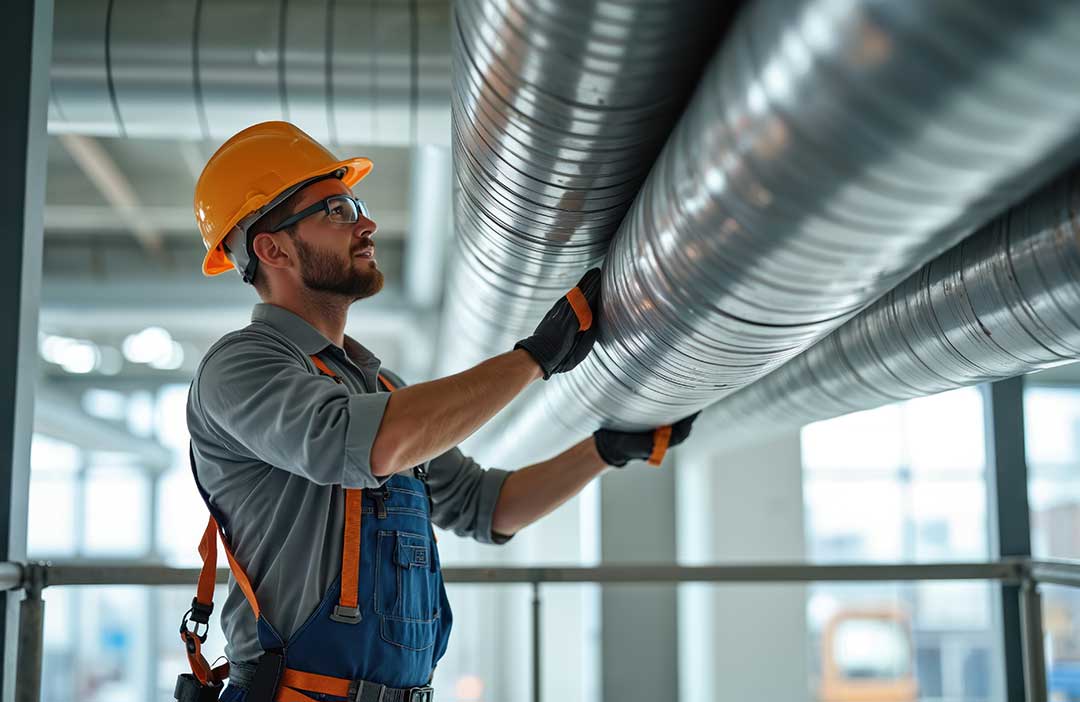
Maintenance should identify developing problems, but it cannot guarantee that a component will never fail. A part can operate normally during an inspection and fail later because of age, electrical stress, corrosion, or a manufacturing defect.
What symptoms mean maintenance should happen sooner?
A system should be checked before the next routine visit if it shows a noticeable change in operation. Warning signs include:
- Grinding, scraping, rattling, buzzing, or repeated clicking.
- Burning odors that do not clear quickly.
- Weak airflow from several vents.
- Frequent short cycling.
- Ice on refrigerant lines or the outdoor coil when weather conditions do not explain it.
- Unexplained increases in electricity use.
- Water leaking around the indoor unit.
- Rooms that remain uncomfortable despite normal thermostat settings.
- Breakers that trip repeatedly.
- Carbon monoxide alarms, exhaust odors, or signs of combustion problems.
A burning smell, gas odor, carbon monoxide alarm, or electrical hazard requires immediate safety action. Turn off the equipment if it is safe to do so, leave the area when necessary, and seek appropriate emergency or utility assistance.
Does local weather affect maintenance frequency?
Yes. Homes in Lexington experience long, humid cooling periods that place substantial demand on air-conditioning equipment. Humidity also increases the importance of condensate drainage, coil cleanliness, and indoor moisture control.
Spring pollen and airborne debris can contribute to dirty filters and restricted airflow. Outdoor units may also collect leaves, grass, and other material during seasonal changes. Winter is usually shorter and less severe than summer, but heating systems still need to operate safely during cold spells.
Housing characteristics matter as well. Older homes, additions, converted spaces, and houses with long duct runs may have airflow or insulation conditions that make the HVAC system work harder. Frequent remodeling can introduce dust that quickly loads filters and coils.
A practical maintenance schedule
For many households, the following approach is reasonable:
- Monthly during heavy use: Check the filter and inspect visible airflow and drainage conditions.
- Spring: Prepare cooling equipment before sustained warm weather.
- Fall: Prepare heating equipment before regular overnight cold.
- After major renovations: Check the filter and system for construction dust.
- Any time symptoms appear: Investigate unusual noise, odor, moisture, airflow, or cycling instead of waiting for the next seasonal visit.
The most useful schedule is the one that matches the equipment, the home, and the household’s actual operating conditions. For many residents, spring and fall maintenance—combined with regular filter checks—provides a practical balance between prevention, comfort, and safe operation.