

 See My Latest Article on HelloNation
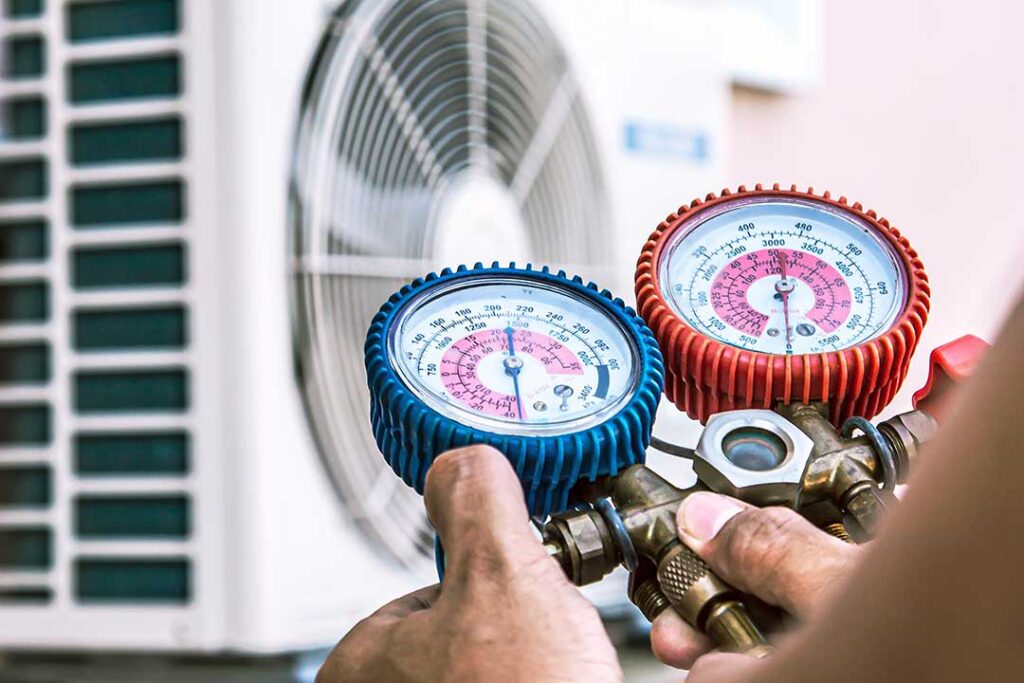
Air conditioners usually freeze because the indoor evaporator coil is not receiving enough warm household air or because the refrigeration system is operating under abnormal conditions. Ice may first appear on the copper refrigerant line, then spread across the indoor coil until airflow becomes weak and the system stops cooling effectively.
In Lexington, SC, long hot and humid cooling seasons can place heavy demand on residential air-conditioning systems. A frozen coil is not normal summer operation, even when outdoor temperatures are high. It is usually a symptom that needs attention rather than something the system can safely “work through.”
What does it mean when an air conditioner freezes?
A central air conditioner removes heat and moisture from indoor air as air passes over the cold evaporator coil. Under normal conditions, the coil is cold but remains above freezing. If airflow drops too low or the refrigerant circuit operates incorrectly, the coil temperature can fall below 32°F. Moisture on the coil then turns to ice.
The ice creates a cycle that makes the original problem worse:
- Ice blocks more airflow.
- Reduced airflow causes the coil to become even colder.
- Cooling capacity declines.
- The system may run continuously without lowering the indoor temperature.
- Meltwater can overflow from the drain pan when the ice eventually thaws.
A frozen coil does not necessarily mean the air conditioner is old. Newer equipment can freeze because of a dirty filter, blocked return grille, blower problem, duct restriction, or refrigerant issue.
Is a dirty air filter the most common cause?
A clogged or overly restrictive filter is one of the most frequent causes of freezing. The filter is designed to capture dust and particles, but as it loads with debris, less air moves through the indoor coil. Some high-efficiency filters also create excessive resistance when used in systems that were not designed for them.
Filter conditions can change quickly during periods of heavy use. Household dust, pet hair, remodeling debris, and pollen can all reduce airflow. In a warm, humid climate, an air conditioner may run for long periods, giving a restricted filter more opportunity to affect performance.
Check that:
- The filter is installed in the correct direction.
- The filter is not visibly gray, packed with dust, or bowed inward.
- The filter size matches the equipment.
- Supply registers and return grilles are open and unobstructed.
Replacing a disposable filter may restore airflow, but it will not solve a deeper restriction elsewhere in the system.
Can blocked vents or closed doors cause ice?
Yes. An air conditioner needs a reliable path for air to return to the indoor unit and a clear path for cooled air to reach living spaces. Closing several supply registers, covering grilles with furniture, or blocking return openings can reduce total airflow enough to contribute to icing.
Room-by-room temperature balancing is sometimes attempted by closing vents, but a central system is not always designed to operate with many registers shut. The result can be increased duct pressure and reduced airflow across the evaporator coil.
Homes with additions, converted rooms, enclosed porches, or remodeled areas may also have ductwork that is undersized, disconnected, crushed, or poorly insulated. These problems can be less obvious than a dirty filter because the visible registers may appear to be working.
How does a dirty evaporator coil lead to freezing?
Dust and biological buildup on the evaporator coil can act like a blanket over the heat-transfer surface. The coil then has more difficulty absorbing heat from indoor air. If the buildup also narrows the spaces between the fins, airflow drops further.
The indoor coil is often located inside or near the air handler, where it is not easily visible. A homeowner may notice symptoms such as:
- Weak airflow from several registers
- A musty odor near the indoor unit
- Water around the air handler after the system shuts off
- Ice returning after a filter change
- Longer cooling cycles and uneven temperatures
Cleaning an accessible coil may be straightforward, but reaching the entire coil can require removing panels or working around electrical components. Bending the delicate fins can reduce airflow and make the problem worse.
Can low refrigerant cause an air conditioner to freeze?
Low refrigerant can cause freezing, but refrigerant does not normally get used up. A low charge usually indicates a leak, an improper previous charge, or a problem that occurred during installation or repair.
When refrigerant levels are too low, the pressure and temperature inside the evaporator can fall below normal. The coil may begin icing even though the filter is clean and the blower appears to be operating.
Possible clues include:
- Ice forming on the larger insulated copper line
- Longer-than-normal run times
- Reduced cooling capacity
- Hissing or bubbling sounds near refrigerant piping
- Visible oil residue around a connection
- Repeated freezing after the system has thawed
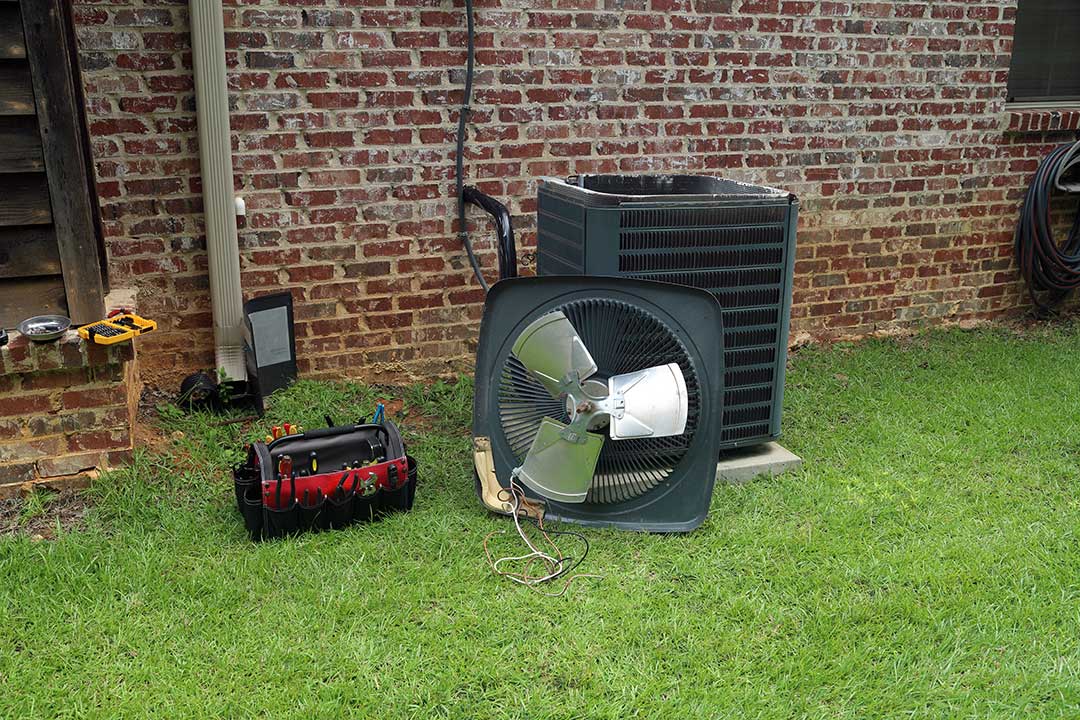
Adding refrigerant without finding the cause may provide only temporary improvement. Refrigerant handling also involves specialized equipment and environmental requirements, so this is not a do-it-yourself adjustment.
What other mechanical problems can reduce airflow?
A blower that is dirty, failing, or operating at the wrong speed may not move enough air across the coil. A damaged blower wheel can become coated with dust, while a weak capacitor or motor can prevent the fan from reaching its intended speed.
Other possibilities include:
- A loose or disconnected duct
- A collapsed flexible duct
- A blocked evaporator coil
- A malfunctioning control board
- A frozen or obstructed condensate drain
- A failing indoor fan motor
- An improperly sized return-air system
In some homes, the system may have adequate airflow near the air handler but poor airflow in distant rooms because of duct leakage or design limitations. That situation can reduce comfort without immediately making the source of the problem obvious.
What should be done when ice is visible?
Turn the cooling system off and allow the ice to melt completely. Running the compressor while the coil is frozen can place unnecessary stress on the equipment and may send liquid refrigerant back toward the compressor.
The indoor fan may be set to “on” temporarily to help circulate air and speed thawing, provided the system is not making unusual electrical or mechanical noises. Place towels or a shallow container near the indoor unit if melting water could reach flooring or stored items.
Do not chip ice from the coil with a tool. Sharp objects can puncture tubing or damage fins. Do not pour hot water over the equipment, and do not bypass safety controls.
After the system has thawed, check the filter, confirm that supply and return grilles are open, and restart cooling briefly. If ice returns, airflow remains weak, water continues leaking, or the system does not cool properly, the underlying cause needs qualified diagnosis.
How can freezing be prevented?
Regular airflow maintenance is the most practical prevention step. Replace or clean the filter according to its condition and the filter manufacturer’s instructions rather than relying only on a calendar reminder. Homes with pets, construction dust, or frequent summer use may require more frequent attention.
Keep return grilles clear, avoid placing furniture directly against them, and make sure supply registers are not covered by rugs or curtains. Outdoor vegetation should not block the condenser, although a clear outdoor unit alone will not prevent an indoor coil from freezing.
Before the hottest part of the cooling season, pay attention to changes in airflow, unusual noises, rising indoor humidity, or longer run times. Early symptoms are easier to investigate than a fully iced-over coil and may help prevent water damage when the ice melts.