

 See My Latest Article on HelloNation
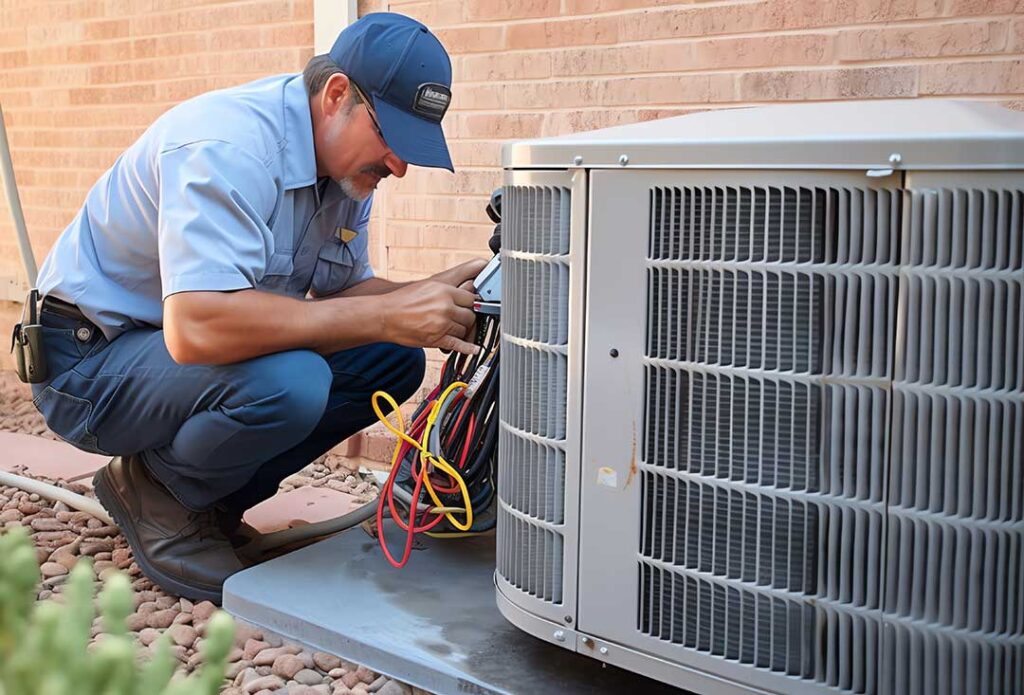
A heating and cooling system can often serve a home for many years when it receives consistent care and operates under reasonable conditions. In Lexington, SC, long cooling seasons, high humidity, pollen, thunderstorms, and occasional winter freezes can all affect HVAC performance. Simple maintenance habits can reduce strain, improve comfort, and help identify problems before they become expensive failures.
How often should HVAC filters be changed?
Most homes should check the HVAC filter every month and replace it when it is dirty. A clean filter allows air to move through the system with less resistance, while a clogged filter can make the blower work harder and reduce airflow.
The correct replacement schedule depends on the home and the filter:
- Basic one-inch filters may need replacement every 30 to 90 days.
- Homes with pets, renovation dust, smokers, or allergy concerns may need more frequent changes.
- Thicker filters can last longer, but only if the equipment is designed to use them.
- A filter should fit securely without bending, collapsing, or leaving gaps around the frame.
A filter that looks slightly gray may still allow good airflow, but visible dust buildup or a noticeable drop in air movement is a reason to replace it. Oversized or highly restrictive filters are not automatically better. The filter should match the equipment manufacturer’s specifications.
Why does airflow matter so much?
Good airflow helps the system transfer heat efficiently. Restricted airflow can cause longer run times, uneven temperatures, frozen cooling coils, overheating, and added wear on the blower motor.
Keep supply registers and return grilles open and unobstructed. Furniture, curtains, rugs, and storage items can block airflow even when the vent itself is open. Closing several registers in an attempt to redirect heating or cooling can also create pressure problems inside the duct system.
In older houses or homes that have been remodeled, rooms may have been enclosed or repurposed after the original HVAC system was installed. If one part of the house is consistently too hot or too cold, the cause may involve duct sizing, insulation, air leakage, or thermostat placement rather than a need to set the system much higher or lower.
What outdoor maintenance protects the equipment?
The outdoor condenser needs open space to release heat. Keep grass, leaves, vines, mulch, and stored items away from the cabinet. A practical clearance of roughly two feet around the sides is commonly useful, although the equipment manufacturer’s instructions take priority.
Before clearing the area, turn off power to the outdoor unit if debris must be removed near the fan or coil. Never reach through the grille while the equipment is connected to power.
The outdoor coil can collect pollen and dirt, especially during spring. Light surface debris may be removed carefully with a soft brush or a gentle stream of water directed from the inside outward when the equipment is shut off. Avoid bending the delicate fins, using a pressure washer, or spraying electrical components.
After severe thunderstorms, check whether the system is making unusual sounds or failing to start. Repeated power interruptions and voltage fluctuations can damage electrical components, so a system that behaves differently after a storm should not be repeatedly restarted.
Does thermostat use affect system life?
Yes. Extreme thermostat settings can lengthen operating cycles and increase stress on the equipment. In summer, setting the thermostat several degrees lower does not make the system cool faster; it simply asks the system to run longer.
Moderate settings are generally easier on the equipment. A programmable or smart thermostat can also reduce unnecessary operation when the home is unoccupied, provided the temperature changes are not so large that the system must run continuously to recover.
Avoid placing lamps, televisions, cooking appliances, or other heat-producing objects directly beside the thermostat. Strong sunlight or drafts can cause the thermostat to read the room inaccurately. If some rooms are comfortable while the thermostat area feels very different, the control may not be sensing representative conditions.
How does humidity affect HVAC equipment in Lexington?
Warm, humid conditions make the cooling system work harder because the equipment must remove both heat and moisture from indoor air. Excess indoor humidity can also encourage odors, biological growth, and damage to wood or finishes.
Keep doors and windows closed while the air conditioner is running. Frequent open-door traffic, unsealed ductwork, and air leaks around the building envelope allow humid outdoor air to enter.
Bathroom and kitchen exhaust fans should be used during and after activities that create moisture. Clothes dryers should vent outdoors, and the vent should remain clear. If indoor humidity stays high even when the air conditioner runs for long periods, the issue may involve airflow, equipment sizing, duct leakage, drainage, or building insulation.
Which routine maintenance tasks should not be skipped?
A seasonal inspection can reveal small problems before they affect major components. Useful checks include:
- Cleaning or replacing the air filter.
- Inspecting the condensate drain for blockage.
- Checking the outdoor coil and surrounding area.
- Looking for damaged insulation on refrigerant lines.
- Inspecting electrical connections and safety controls.
- Confirming that the blower and indoor coil are free of heavy dust.
- Checking ductwork for disconnected sections or visible air leaks.
- Testing heating operation before the first cold spell.
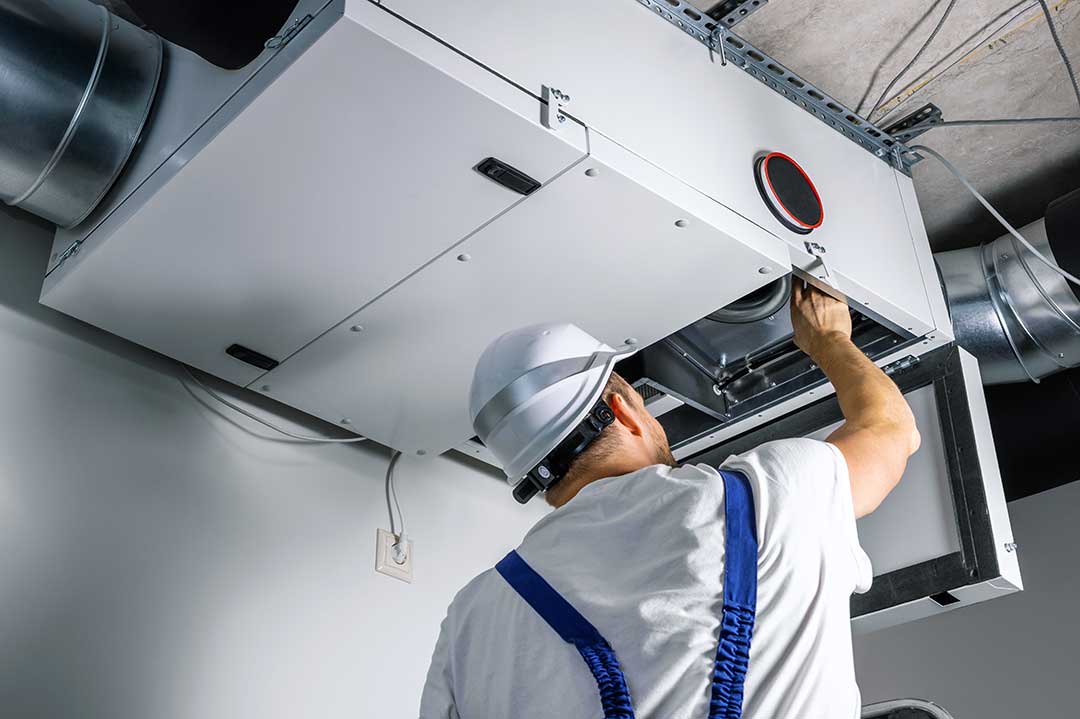
The condensate drain deserves special attention during cooling season. Air conditioning removes moisture from indoor air, and that water must drain away properly. A blocked drain can cause water damage, shut down the system, or trigger a safety switch. Do not pour chemicals into the drain unless the equipment instructions specifically allow it.
Work involving refrigerant, electrical components, combustion systems, gas connections, or sealed internal parts requires appropriate training and safety procedures. These systems can present shock, fire, pressure, or carbon monoxide hazards.
Should an HVAC system be repaired as soon as it makes noise?
Unusual sounds should not be ignored, particularly if they appear suddenly or become more frequent. Different sounds can point to different problems:
- Grinding may indicate worn bearings or a motor issue.
- Repeated clicking may involve electrical controls.
- Rattling can come from loose panels, debris, or failing components.
- Hissing may indicate escaping air or a refrigerant-related problem.
- Screeching can signal belt or motor trouble in some systems.
Turn the system off if there is smoke, a burning odor, sparking, a refrigerant leak, a gas odor, or water near electrical equipment. Safety concerns should be handled promptly by a qualified technician. Carbon monoxide alarms should be installed and maintained in homes with fuel-burning heating equipment.
When does replacement make more sense than continued repairs?
Age alone does not determine whether an HVAC system should be replaced. The decision usually depends on repair frequency, operating cost, comfort problems, parts availability, safety, and the condition of major components.
A system that receives regular maintenance may continue operating reliably, while a neglected system may develop problems earlier. Keeping service records, filter replacement dates, repair invoices, and utility information can help identify patterns over time.
Good maintenance cannot prevent every failure, but it can reduce avoidable strain. Consistent airflow, sensible thermostat settings, clean equipment, controlled humidity, and timely attention to warning signs give an HVAC system a better chance of providing dependable service through the demanding summer season and the cooler weather that follows.